Before Paraquat, Roundup was once considered the go-to herbicide for residential and commercial properties, but studies revealed that users faced the risk of developing cancer from exposure to harmful ingredients it contained. Since then, more people have turned to Paraquat as a replacement. Paraquat is a chemical that’s been used as an herbicide throughout the country. Unfortunately, lawsuits claim that long-term exposure to chemicals in the herbicide might lead to Parkinson’s disease and other debilitating medical conditions.

REQUEST A FREE CONSULTATION
TSEG could help you create an effective marketing campaign to generate leads and gain new clients from among those people who’ve been injured by Paraquat and want to file a lawsuit for compensation. With the increase of lawsuits about Paraquat being filed around the United States, getting your website in front of your target audience is critical.
We have experience determining which platforms would be best to deliver your message and engage those impacted by Paraquat complications. Give us a call today at (512) 394-7234 for your free estimate.
What Is Paraquat?
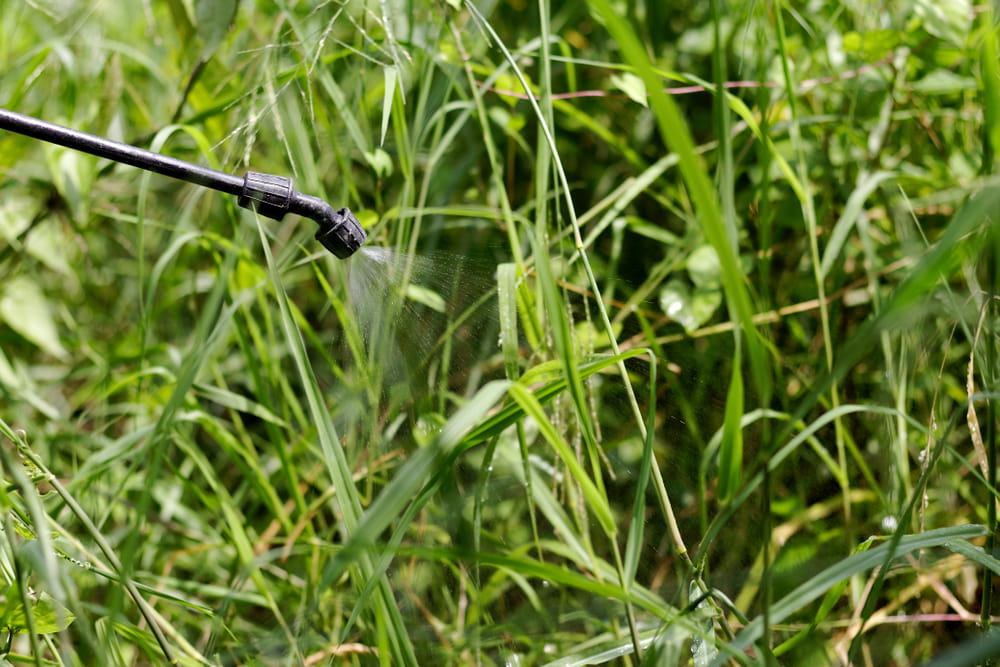
Paraquat is an herbicide that effectively kills grass, weeds, and unwanted vegetation. The Environmental Protection Agency classified it as a chemical for restricted use only. That means licensed applicators are the only people allowed to handle this product. Commercial farmers have been using it for years on their properties.
Within the United States, there are safeguards to prevent accidental ingestion. The Paraquat sold by companies in the U.S. is coated with a blue dye, so users don’t confuse the herbicide with common beverages like soda or coffee. There’s also a distinct odor and a vomiting agent that can alert someone that they have ingested a poisonous chemical.
Companies such as Syngenta and Chevron have manufactured and sold the weed killer without providing adequate warning labels. According to lawsuits, they were aware of the harm their product could cause but did nothing to notify consumers. That has prompted victims and their families to sue these manufacturers for the marketing defects that led to their injuries.
Call us at (512) 894-8621 today
to find out more about our lead generation and marketing campaign services or get a free estimate.
How Paraquat Exposure Occurs
It isn’t just the person applying the herbicide that can be exposed to Paraquat. The general public could ingest it through contaminated drinking water or food. The most common ways exposure could occur are:
- Skin – Poisoning can happen through long-term skin contact. The herbicide might enter the body through an open wound, causing internal damage and affecting certain organs.
- Swallowing or ingestion
- Contamination – Water, food, and other consumer products could become contaminated, resulting in a person ingesting the chemicals.
- Inhalation – Inhaling Paraquat can lead to lung damage and cause breathing problems.
Although licensed applicators are at a higher risk of exposure, anyone could suffer the adverse effects of Paraquat. Developing Parkinson’s disease or another illness after exposure to Paraquat often requires medical care. The expenses patients incur should ultimately be the manufacturer’s responsibility through an insurance claim or lawsuit.
Victims will need help pursuing their cases and will look to a law firm that understands the legal process and how to meet their needs.
Possible Link Between Paraquat and Parkinson’s Disease
Parkinson’s disease is a disorder that affects the nervous system and can disrupt the body’s movement. It can result in physical disability, preventing someone from performing tasks independently or caring for themselves.
The most common symptoms are:
- Rigid muscles
- Tremors
- Slurred speech
- Slow movement
- Difficulty writing
- Inability to complete unconscious movement, such as smiling or blinking
- Change in posture and balance
A study released by the National Institutes of Health detailed findings about agricultural laborers and farmers who developed Parkinson’s disease. They got Parkinson’s 2.5 times more often than individuals who didn’t use Paraquat or rotenone, another pesticide. Researchers determined that exposure to harmful chemicals in Paraquat caused cell damage.
Eventually, these reports resulted in 32 countries banning the product, but the United States only chose to limit its use to those certified in applying it.
Additional Complications from Paraquat Use
Besides Parkinson’s disease, the Centers for Disease Control and Prevention has warned that exposure or ingestion of Paraquat could cause a range of medical problems, including:
- Muscle weakness
- Heart failure
- Confusion
- Seizures
- Fast heart rate
- Lung scarring
- Liver failure
- Pulmonary edema
- Coma
- Kidney failure
- Respiratory failure
The various side effects that could arise from the popular herbicide produce a large client base you could potentially represent. At TSEG, we can help you connect with these victims and get new cases signed to increase your firm’s revenue.
It’s not enough to just market your legal services to a broader audience. You must also find a way to differentiate yourself from the competition so people will choose you over another attorney.
What TSEG Can Do for You
You know you need to advertise your services online, but if you don’t do it the right way, you’ll waste your time and money. At TSEG, we can review your current marketing plans to determine what’s working and what needs improvement. We can create an effective strategy that works for your specific needs. We can target the demographics most impacted by Paraquat, so they will see your website when they search for specific keywords.
We understand you have a budget. We can work to achieve your goals without exceeding the maximum amount of money you can spend on marketing efforts. We can utilize different platforms, such as Instagram and Facebook, to direct traffic to your site and generate new leads. We can also build customized landing pages so potential clients can learn about your firm and even complete a simple form to determine whether their case qualifies for a lawsuit.
TSEG takes the guesswork out of mass tort campaigns. You won’t have to use trial and error to find a successful marketing strategy. We can use our experience and knowledge to maximize your exposure and turn individuals injured by Paraquat into actual paying clients.
Contact Us
The dedicated team from TSEG is ready to help your firm grow with a creative mass tort campaign. Qualified claimants interested in filing a lawsuit against the manufacturer of Paraquat will be directed to your website through smart ad placement and effective digital platforms. We can optimize the user’s experience to increase awareness of your services and steer potential clients in the right direction.
To find out more about how we can help, call TSEG at (512) 394-7234. We’re happy to provide a free estimate for the Paraquat marketing campaign that best fits your needs.
Paraquat Lawsuit Updates 2026
September 2026
U.S. District Judge Nancy Rosenstengel, who is overseeing the Paraquat MDL, ordered an attorney to appear at a hearing to provide more information about clients who opted out of the proposed global Paraquat settlement.
The judge has been making a concerted effort to explore why some plaintiffs are not accepting the settlements proposed by Syngenta over allegations that exposure to Paraquat weed killing products causes Parkinson’s disease.
A June decision allowed the court to gather more information about why certain victims opted out. The court has been reviewing case summaries and depositions to better understand why they chose not to participate. She is questioning whether some plaintiffs had been properly informed about the proposed settlement and whether their claims had been adequately vetted for confirmed Paraquat exposure and Parkinson’s disease.
As of September, over 6,665 paraquat claims are pending in the MDL in the U.S. District Court for the Southern District of Illinois. The lawsuits claim the defendants failed to adequately warn of the potential health risks linked to Paraquat.
A group of 36 insurance companies asked London’s High Court to rule that they are not responsible for covering Syngenta’s costs and settlements stemming from the thousands of U.S. paraquat lawsuits.
The dispute involves policies issued to Imperial Chemical Industries (ICI), which originally developed and manufactured paraquat. Syngenta claims entitlement to coverage as an ICI successor.
The insurers claim the policies cover only established legal liabilities and that Syngenta’s settlements do not qualify because the company has not admitted liability and no court has entered an adverse judgment against them in the underlying cases.
August 2026
As of August, 6,665 claims remain consolidated in the Paraquat MDL involving lawsuits against Syngenta, Chevron, and other companies that manufactured and distributed the herbicide. Plaintiffs allege that exposure to Paraquat herbicide causes Parkinson’s disease.
A Special Master has been overseeing settlement discussions after the court vacated the first bellwether trial scheduled for September 2025.
Judge Nancy Rosenstengel, overseeing the MDL, issued a new case management order outlining what victims must do if they choose not to accept a Paraquat settlement offer.
Under the order, non-settling victims may be required to provide detailed evidence supporting their claims, including:
Proof of paraquat exposure
Medical records documenting a Parkinson’s diagnosis
Expert reports linking their disease to the chemical
Sworn witness statements
The court said the order is intended to help families understand what evidence will be needed if they continue with their lawsuits after settlement negotiations.
Judge Rosenstengel has noted that a significant number of plaintiffs not agreeing to the settlement come from just a few law firms, including the Nachawati Law Group, noting that 183 of the firm’s 217 paraquat clients had opted out of the settlement.
“The Court would like to gain a better understanding of the possible reasons for this high number of opt-out cases,” Rosenstengel wrote, and chose a portion of each law firm’s plaintiffs for a “full work-up.”
Philadelphia Court of Common Pleas Judge Joshua Roberts recommended that the state Superior Court uphold his ruling to keep several Paraquat Parkinson’s disease lawsuits in Philadelphia. Syngenta and Chevron are appealing the judge’s denial of their request to move nine bellwether cases to other jurisdictions.
Judge Roberts said the companies failed to provide sufficient reasons to override the plaintiffs’ choice of forum or show that keeping the cases in Philadelphia would create significant difficulty or expense.
He cited the efficiency of coordinating nearly 2,000 Paraquat cases through Philadelphia’s Complex Litigation Center, where centralized discovery, pretrial rulings, and bellwether trials can support the broader litigation.
As lawsuits and settlement negotiations continue, a bipartisan group of federal lawmakers has introduced the Paraquat Prevention Act, which would cancel all current registrations for paraquat products, prohibit future registrations, ban the sale and use of existing supplies, and establish a zero-tolerance standard for paraquat residue in food.
July 2026
The most recent development in the Paraquat MDL involves the effort by U.S. District Judge Nancy Rosenstengel to explore why some plaintiffs are not accepting settlements proposed by Syngenta over allegations that exposure to paraquat weed killing products causes Parkinson’s disease.
The judge ordered plaintiffs who do not agree to the terms of Syngenta’s settlement plan to meet with a special master to ensure that they are “making a fully informed decision not to participate.” The meeting is intended to force a direct discussion of the settlement terms, the plaintiff’s concerns, and what will be required if the plaintiff chooses to continue litigating. The judge also required that many plaintiffs choosing to opt out of the settlement undergo depositions by early August, along with “narrow third-party discovery” related to their use of paraquat.
Judge Rosenstengel noted that a significant number of plaintiffs not agreeing to the settlement come from just a few law firms, including the Nachawati Law Group, noting that 183 of the firm’s 217 paraquat clients had opted out of the settlement.
“The Court would like to gain a better understanding of the possible reasons for this high number of opt-out cases,” Rosenstengel wrote, and chose a portion of each law firm’s plaintiffs for a “full work-up.”
Non-settling plaintiffs were warned that they will eventually need to provide documentation and affidavits proving Paraquat use, Parkinson’s disease diagnosis, and other case-specific evidence.
Settlement negotiations have been underway for over a year, overseen by Special Master Randi Ellis. Judge Rosenstengel ordered repeated stays to keep cases from moving forward to trial to allow the settlement process to unfold.
In the paraquat lawsuits that are in the Philadelphia County Court of Common Pleas, plaintiffs are urging a Philadelphia judge to reject new attempts by defendants Syngenta and Chevron to move their cases out of the city. A similar request was denied in 2025.
Transferring the 14 cases would force those suffering from symptoms of Parkinson’s disease to restart their paraquat lawsuits in new jurisdictions where the evidentiary record has not been developed. If removed from Philadelphia, the cases could end up in the federal paraquat MDL.
June 2026
U.S. District Judge Nancy Rosenstengel of the Southern District of Illinois ordered three firms to conduct discovery to help ascertain why most of their clients are not taking part in a proposed global settlement in the Paraquat MDL. It was reported that the settlement has drawn ‘exceedingly high opt-out rates”.
The judge ordered Nachawati Law Group, DiCello Levitt and The Smith Law Firm to complete depositions of a sample of their clients within 60 days and suggested discovery such as subpoenas to retailers for proof of purchase, or affidavits to employers where plaintiffs worked.
“We respect our clients’ decisions to continue litigating their claims and will always pursue the path that serves their best interests,” Mark DiCello of DiCello Levitt was quoted as saying in an emailed statement.
Syngenta filed a new motion seeking to remove Pennsylvania’s paraquat litigation from Philadelphia’s Complex Litigation Center, renewing a challenge that was previously rejected by the court.
The litigation includes more than 1,600 claims alleging that paraquat exposure caused Parkinson’s disease. The first paraquat trial in Philadelphia was scheduled for earlier this year but settled before reaching a jury.
Vermont became the first state in the nation to bar paraquat over its alleged link to Parkinson’s disease. Lawmakers passed a bill that is expected to be signed into law by Governor Phil Scott which would phase out paraquat use beginning in late 2026, with a full statewide ban taking effect by December 2030.
May 2026
The judge overseeing the Paraquat MDL, U.S. District Judge Nancy Rosenstengel, ordered both parties to submit detailed information regarding proposed settlement offers to a court-appointed Special Master.
The directive is intended to facilitate review of the settlement framework and ensure plaintiffs understand their legal options before making decisions. The order was part of efforts to manage thousands of claims alleging that exposure to Paraquat caused Parkinson’s disease.
The Special Master will evaluate the terms of proposed settlements and may meet with plaintiffs and their counsel, particularly those who have not agreed to resolve their claims.
Following the review, the Special Master is required to provide a report to the court within 90 days. The report may include recommendations or observations regarding the fairness and administration of the proposed settlement.
Attorneys are required to provide information about every victim’s paraquat settlement status, including:
-A breakdown of victims who did not qualify for the settlement and why
-Details on settlement tiers and offer amounts for eligible claimants
-Identification of victims who opted out or have not yet made a decision
-An accounting of total settlement dollars for all cases
The order also directs the Special Master to meet with victims who have not accepted the paraquat settlement or are considering opting out to ensure they understand their rights and options if they remain outside the settlement.
April 2026
As of April, 6,542 claims are pending in the Paraquat multidistrict litigation, an increase of 33 from March. This makes it the 9th largest MDL in the country. Plaintiffs claim manufacturers failed to adequately warn agricultural workers and applicators about the neurological risks associated with repeated exposure to the chemical. More claims have been filed separately in state courts.
The Philadelphia Court of Common Pleas holds over 1,600 pending Paraquat lawsuits, with several bellwether trials scheduled through July 2027,
The court overseeing the Philadelphia paraquat litigation issued a new rule about how subpoenas to third parties must be handled. If either side wants to request documents or records from someone who is not part of the case such as a doctor or employer, they must give the other side at least 10 days’ notice and share a copy of the subpoena before sending it out. This gives both sides a chance to review and raise any objections before records are requested from outside parties.
March 2026
Syngenta announced that it will end global production of Paraquat by June 2026 by closing the remaining plant that manufactures it, in the United Kingdom. The decision came as thousands of lawsuits are still pending over claims that exposure to the weed killer might lead to Parkinson’s disease and other debilitating medical conditions and that the company failed to adequately warn of the risks.
Plaintiffs and defendants in more than 6,000 Paraquat lawsuits continue to work to finalize terms of a global settlement agreement to compensate former users diagnosed with Parkinson’s. The company maintains Paraquat is safe when used as directed, but several states have already been considering legislation to ban Paraquat.
The judge presiding over the MDL, Judge Nancy Rosenstengel, has delayed bellwether trials while both sides work on a settlement agreement.
February 2026
A settlement was reached in what would have been the first bellwether trial over allegations that the weed killer Paraquat causes Parkinson’s disease.
One day before jury selection in the trial was set to begin in the Philadelphia Court of Common Pleas, the manufacturer Syngenta came to a settlement with a retired landscaper who alleged that years of exposure to the herbicide led to his Parkinson’s diagnosis in 2021.
Terms of the agreement were not disclosed. The trial was seen as having a potentially significant impact on the wider Paraquat multi-district litigation that includes thousands of lawsuits. Other bellwether trials are planned for later in 2026.
As of February 2026, there were approximately 6,489 pending lawsuits in the Paraquat MDL. The presiding judge, Nancy J. Rosenstengel, again extended the pause on case-specific deadlines, which was established in January 2025, through March 6, 2026. The judge cited the ongoing efforts to reach settlements, and indicated that the issue will be revisited at that time to determine whether another extension should be granted.
January 2026
The judge overseeing the federal Paraquat MDL, U.S. District Court Judge Nancy J. Rosenstengel, has placed a temporary pause on preparations for individual cases until March, giving the parties more time to discuss a potential settlement. The hold followed a “signed Letter Agreement to resolve” the cases in the MDL, indicating progress in settlement discussions.
There were 6,476 pending lawsuits in the MDL at the start of January, an increase of six cases from December. There were 1,603 other pending Paraquat lawsuits in the Philadelphia Court of Common Pleas.
One new plaintiff is a Maryland man who used Paraquat on crops while working as a farmer and alleges a link between the product and his Parkinson’s disease. He filed suit against Syngenta and Chevron for not sharing enough information about the risks of Paraquat.
December 2025
At the beginning of December, there were over 6,470 claims in the federal Paraquat MDL before Judge Nancy J. Rosenstengel in the U.S. District Court for the Southern District of Illinois.
Litigation also continues in the Philadelphia Court of Common Pleas, where there are 1,567 pending paraquat lawsuits. The judge overseeing the cases ruled that Syngenta and Chevron may select the first case to go before a jury. Two previous bellwether cases were resolved before trial through settlements.
The companies contended that those two test cases had been selected by the plaintiffs, who chose settlements over trials. The first Philadelphia paraquat bellwether trial is set for January 26, 2026.
November 2025
The process of trying to reach a settlement continues in the federal Paraquat MDL following the extension of a stay in the litigation. Presiding Judge Nancy Rosenstengel will revisit the matter after Jan. 6, 2026 to determine whether the pause should be continued.
Three cases were dismissed during the previous month, leaving the total number of pending cases at the start of November at 6,442.
As far as litigation at the state level, there were 1,528 plaintiffs in the Philadelphia Court of Common Pleas cases overseen by Judge Joshua Roberts. The first bellwether trial in that case may begin in January 2026, with additional bellwethers scheduled to start in April 2026.
One of the most recent claims in the MDL was filed by a Pennsylvania man who alleges that exposure to Paraquat while he was doing landscaping and groundskeeping work caused him to develop Parkinson’s disease. According to the lawsuit, the plaintiff did not know that exposure to Paraquat, when handled according to the instructions, could be harmful to himself or others.
October 2025
The number of lawsuits pending in the federal Paraquat MDL has seen an increase over the past month to 6,445 at the beginning of October. That is up from 6,362 cases in September.
The judge presiding over the MDL, Judge Nancy Rosenstengel, has extended a stay in the litigation that will give the two sides more time to negotiate a settlement. The pause now extends until January 5, 2026. The judge said the court will revisit whether to continue the stay after that date. If there is no final settlement, discovery will resume in preparation for bellwether trials.
In her court order issued on September 29, the judge announced that the date for the first trial, scheduled to begin on October 14, has been vacated.
September 2025
Judge Nancy Rosenstengel, who is overseeing the federal Paraquat MDL, has extended a pause on work in the litigation in order to give the two sides more time to finalize a settlement agreement. In April, the parties told the court that they had entered into a signed settlement framework that could resolve thousands of Parkinson’s disease claims against Syngenta and Chevron. But final terms have yet to be agreed upon.
The judge extended the stay on all case-specific deadlines until September 26, the third pause since the framework was announced. If there is no final settlement, discovery will resume in preparation for bellwether trials in October 2025 and April 2026.
August 2025
The special master recommended that 17 paraquat cases be dismissed by the court without prejudice due to noncompliance. These plaintiffs failed to submit their required Plaintiff Assessment Questionnaires under Case Management Order No. 10, despite being given an initial notice and follow-up notice that the questionnaires were overdue.
At the start of August, there were 6,311 actions pending in the federal Paraquat MDL, and 1,241 plaintiffs in the Philadelphia County Court of Common Pleas cases.
A judge cleared the way for those Pennsylvania cases to proceed, denying a motion by Syngenta and Chevron to remove or dismiss hundreds of paraquat lawsuits filed in Philadelphia. The court rejected the argument by the companies that the cases did not belong in that jurisdiction and should be transferred. Plaintiffs may continue to file claims in Philadelphia without having to refile elsewhere.
July 2025
Syngenta, manufacturer of Paraquat, agreed to a settlement in the case of plaintiff Douglas Nemeth, who alleged that decades of exposure to the pesticide when he was a farmer caused him to develop Parkinson’s disease.
A trial in the case had been scheduled to begin in Philadelphia court in August. Terms of the settlement were not disclosed. Nemeth alleged that Syngenta should have warned users of the risks of Parkinson’s disease from long-term use of Paraquat.
About 6,300 cases remain in federal court in the Paraquat MDL. Judge Nancy Rosenstengel paused much of the work on cases in the MDL to allow the parties to focus on completing the settlement.
June 2025
At the start of the month, the number of pending lawsuits in the Paraquat MDL had risen to 6,159 but the total dropped to 6,043 after 116 cases were dismissed. All of the dismissals occurred because the plaintiffs failed to file the required Plaintiff Assessment Questionnaire under the process outlined in Case Management Order No. 10.
The initial increase in lawsuits in May came amid reports of ongoing settlement negotiations to resolve the claims alleging that exposure to Paraquat caused Parkinson’s disease. It was believed that plaintiffs’ attorneys have sought to include more clients in the MDL before any cutoff or framework for resolution.
May 2025
The judge in the Paraquat MDL was notified that lead counsel for both plaintiffs and the defendants had agreed to the terms of a settlement.
As a result, the judge has paused all discovery deadlines in the case for 30 days to allow time for the two sides to finalize the deal. A deadline of June 11 was set for the parties to provide an update to the court.
As of the beginning of May, there were 6,036 active cases in the MDL. It was noted that even as a settlement is taking shape in federal court, new cases continue to be filed in state courts, including California, Illinois, and Pennsylvania.
April 2025
Lawyers on both sides filed a joint motion asking the Seventh Circuit to hold their appeal in abeyance, due to the likelihood of a Paraquat settlement being announced in the coming weeks.
The appeal concerned Judge Rosenstengal’s dismissal of the first batch of potential Paraquat bellwether lawsuits, after excluding key expert witness testimony presented by plaintiffs.
No details were released on the potential settlement, but the parties told the court that they had entered into a signed settlement framework that could resolve this case and many others in the MDL. They said their motion could obviate the need for the court to resolve the appeal and thus serves the interests of judicial economy.
March 2025
The Paraquat MDL recorded a total of 5,859 pending cases as of early March, with 21 new cases having been added in February.
By the second week of March, the court was expected to dismiss over 100 cases from the Paraquat MDL due to repeated failures to submit Plaintiff Assessment Questionnaires, despite multiple extensions. The dismissals follow continued noncompliance with court orders.
A new complaint filed during the same week by an Ohio resident alleges that prolonged exposure to Paraquat caused her Parkinson’s disease. She seeks damages for her injuries, citing negligence, strict liability, and failure to warn.
February 2025
The Paraquat MDL has seen another decline in pending cases this month, now totaling 5,838. While new cases were added, 13 were dismissed, aligning with the judge’s push to remove plaintiffs who failed to meet deadlines.
Meanwhile, the EPA has delayed its final report on Paraquat’s safety, originally due January 17, 2025. The agency withdrew its interim regulatory decision, stating that more time is needed to assess risks. Despite global bans, Paraquat remains on the U.S. market. While a ban could have bolstered plaintiffs’ claims, the first trial is still on track to begin soon.
January 2025
A total of 5,825 pending cases were recorded in the Paraquat class action MDL at the beginning of January, with 10 cases having dropped in the previous month.
On January 10, a Wisconsin agronomist filed a lawsuit claiming exposure to Paraquat from 1980 to 1985 caused his Parkinson’s disease. The complaint, part of the MDL, accuses Syngenta and Chevron of concealing evidence of the herbicide’s neurological risks and failing to warn users about its alleged link to dopamine neuron degeneration.
By the third week of the month, a Florida man filed a lawsuit in the Paraquat MDL, claiming that regular exposure to the herbicide from 2013 to 2019 caused his Parkinson’s disease. The suit alleges the manufacturers failed to warn of the chemical’s risks. His wife has joined the case, citing loss of companionship and seeking damages for their shared suffering.
A status conference, ordered by the MDL judge, is set to take place on January 29, 2025, at 11:00 a.. in the East St. Louis courthouse.
December 2024
At the start of December, the Paraquat MDL recorded a total of 5,835 pending cases, with 17 new cases having been added in the previous month.
An Arkansas man filed a new Paraquat Parkinson’s disease lawsuit on December 11, alleging that exposure to the herbicide during agricultural work from 1964 to 1973 caused him to develop Parkinson’s. The complaint highlights Paraquat’s role in oxidative stress and neuron damage, linking it to the disease. The plaintiff accuses the defendants of negligence and failure to warn, seeking damages for medical costs and suffering, and citing global bans on Paraquat due to its toxicity.
The Special Master in the Paraquat MDL has also recommended dismissing 47 plaintiffs’ cases without prejudice for failing to submit required Plaintiff Assessment Questionnaires, despite multiple opportunities to comply.
November 2024
November 12, 2024
Additional cases are being filed in the MDL, which notably includes a wrongful death case. In a suit filed against Syngenta, the family of a Virginia agricultural worker alleges that the decedent’s exposure to Paraquat over a four-year period led to his development of Parkinson’s disease, and later, his death. The complaint contends that the decedent was regularly exposed to the herbicide in his agricultural work in the fields. According to the lawsuit, Syngenta neglected to implement adequate warnings or safety measures, leaving consumers vulnerable to the risk of developing Parkinson’s and other neurological conditions despite growing scientific evidence pointing to Paraquat as a source.
November 1, 2024
Since October, the Paraquat class action MDL (multidistrict litigation) has lost 65 cases, decreasing the total number of pending cases to 5,818. The drop marks the second consecutive month in which the MDL saw a decrease.
October 2024
A man from New York filed a new Parkinson’s disease lawsuit on October 18, 2024, in the MDL (multi-district litigation) against Syngenta and Chevron. The plaintiff alleges that he developed Parkinson’s disease following an extended exposure to Paraquat between 1980 to 1984, while at work in New York. The defendants, who manufactured, distributed, and sold the product, are accused of a failure to provide adequate warnings regarding the product’s health risks and its link to Parkinson’s disease. Citing physical injuries, disability, mental anguish, and medical costs, the plaintiff is seeking both compensatory and punitive damages.
September 2024
Syngenta’s attempts to remove out-of-state cases from the Philadelphia court system on summary judgment failed when the Pennsylvania Superior Court upheld the “consent by registration” statute, allowing non-Pennsylvania residents to pursue their claims and maintain a significant venue for plaintiff litigation. In reaching this decision, the court was in harmony with recent precedent from the Supreme Court, despite the constitutional challenge from Syngenta.
The MDL grew modestly during the summer period, with nearly 200 cases added, of which 50 new filings came in August. These developments set the stage for the first Paraquat trial in April 2025.
August 2024
The Paraquat MDL continues after the Judge selects ten new bellwether cases, proposing new hope following the cases’ dismissal in April. The Plaintiffs’ Committee states they continue discovery in the Pennsylvania and Delaware state courts. Additionally, a man from Washington state filed a new case in which he linked his Parkinson’s disease to Paraquat used at a fish hatchery.
July 2024
The Paraquat MDL saw an increase of 90 new lawsuits last month, despite some cases being dismissed due to insufficient evidence. Additionally, a Montana man filed a lawsuit claiming prolonged Paraquat exposure led to his Parkinson’s disease, resulting in severe physical and mental suffering, loss of income, and substantial medical expenses.
June 2024
California Assemblymember Laura Friedman is pushing for Assembly Bill 1963 to ban Paraquat by January 1, highlighting its toxicity and the disproportionate impact on Latino farmworkers. Meanwhile, the Paraquat MDL added 90 new cases, bringing the total to 5,680, down from 225 new cases in April.
May 2024
A new study linked environmental toxins, including pesticides like Paraquat, to an increased risk of Parkinson’s disease. An Arkansas widow filed a lawsuit claiming her husband’s exposure to Paraquat led to his Parkinson’s diagnosis and death. The Paraquat MDL saw a resurgence with 225 new cases in April, restoring the monthly average and bringing the total to 5,590.
April 2024
Chief Judge Rosenstengel dismissed four bellwether lawsuits after excluding critical expert testimony, instructing the selection of 16 new cases for limited discovery. Additionally, a wrongful death lawsuit was filed, claiming prolonged Paraquat exposure in Connecticut led to Parkinson’s disease and the decedent’s death. The MDL experienced a slowdown, with only 47 new cases in March.
March 2024
The MDL added 241 new cases, reaching a total of 5,318. Concerns about poorly vetted lawsuits led to the dismissal of weak cases, benefiting plaintiffs with solid claims. A Tennessee plaintiff filed a lawsuit alleging prolonged Paraquat exposure caused his Parkinson’s disease, diagnosed in 2023.
February 2024
New case filings slowed significantly, with only 26 cases added in January and 21 in December, bringing the total to 5,077. A significant $1.18 billion settlement with DuPont, Chemours, and Corteva was approved, addressing PFAS pollution and shifting focus to Paraquat-related personal injury lawsuits.
January 2024
The number of pending cases in the Paraquat MDL dropped by 21, likely due to the dismissal of inactive cases. A new lawsuit was filed, claiming prolonged Paraquat exposure led to Parkinson’s disease, with the plaintiff only recently becoming aware of the link. Despite the slowdown, the MDL continues to grow, highlighting ongoing litigation challenges.



During our initial meeting, we’ll review your budget and any advertising campaigns you’re currently using. We can work on a plan that is cost-effective yet yields successful results.
We know the primary goal of any mass tort campaign is to turn leads into actual clients that sign with your law firm. You can count on the team at TSEG to help you accomplish that. For help with your mass tort campaign
Call us at (512) 394-7234
FREQUENTLY ASKED QUESTIONS
What is a multi-channel approach in mass tort marketing?
A multi-channel approach in mass tort marketing involves deploying campaigns across various platforms such as digital, social media, and traditional media to ensure comprehensive market coverage and maximum engagement. This method leverages different channels to meet potential clients where they are most likely to be receptive to your messaging.


