Why Referred Clients Walk Away After Googling Your Law Firm
Posted on Thursday, March 26th, 2026 at 3:10 pm

Where Strong Referrals Lose Momentum
A referral no longer sends a prospect straight to your intake team. Most people pause to research before reaching out. They review your website, scan search results, and often check AI tools. What they find during that process can change their decision to hire you.
Referred prospects arrive with two valuable things your website could quickly dissolve: intent and trust. These should make them easier to sign. Yet many never make contact.
The drop-off appears between the recommendation and the decision to reach out. During that window, prospects look for proof that your firm matches what they were told. When that proof is missing or unclear, hesitation replaces certainty.
Many firms assume a referral carries the process forward on its own. In practice, it only earns attention. Your online presence determines what happens next.
Firms that recognize this pattern can correct it. Others continue to lose cases they were already in position to win.
Four Breakpoints That Undermine Referral Trust
Referral loss tends to follow a consistent pattern. Once you can identify where it happens, it becomes easier to fix.
- Credibility issues appear first. If your website feels outdated or generic, it does not reflect the confidence behind the referral. Prospects notice that disconnect right away.
- Specificity issues come next. A referred prospect is looking for confirmation that you handle their exact problem. Broad messaging creates doubt about whether the recommendation truly applies.
- Authority issues show up during deeper research. AI tools like ChatGPT and search results influence how prospects evaluate expertise. If your firm has limited visibility or lacks clear detail, competitors gain ground.
- Friction issues happen at the final step. A prospect is ready to act but runs into barriers such as long forms, unclear contact paths, or poor mobile usability. Even small delays can stop progress.
Each of these points interrupts forward movement. Together, they explain why referrals fall apart before contact.
When Your Website Fails to Reinforce the Referral
A referral creates a specific expectation. Your website either supports it or weakens it within seconds.
Referred prospects are not browsing. They are searching for confirmation. When they land on a general page, that expectation goes unmet.
A person referred for a custody matter does not want to dig through broad family law content. They want to see direct evidence of relevant experience. If that proof is difficult to find, confidence drops quickly.
Generic statements without detail do not help. Thin attorney bios and vague descriptions leave too much unanswered.
Firms that convert referrals well make their experience easy to verify. They highlight focused topics, show relevant work, and guide visitors to meaningful proof within a few clicks. When the content aligns with the referral, the decision becomes easier.
How AI Visibility and UX Gaps Reduce Conversions
Prospects now validate referrals across multiple sources.
AI tools play a growing role in that process. People ask direct questions about experience, reputation, and results. If your firm does not appear with clear answers, it limits your influence on the decision.
Understanding how law firms are ranking in AI search makes it clear why some firms gain trust in seconds while others are overlooked.
Even strong firms lose ground when their content is not structured in a way that these tools can surface. Principles like Google’s E-E-A-T framework highlight why clear expertise, experience, and trust signals influence how your firm appears in both search and AI-driven responses.
At the same time, usability problems continue to block conversions. Complicated forms, unclear next steps, and poor mobile performance slow prospects down. When the process feels inconvenient, many choose not to proceed.
Firms that address both areas create an advantage. They publish content that answers real questions and ensure that contacting the firm takes minimal effort.
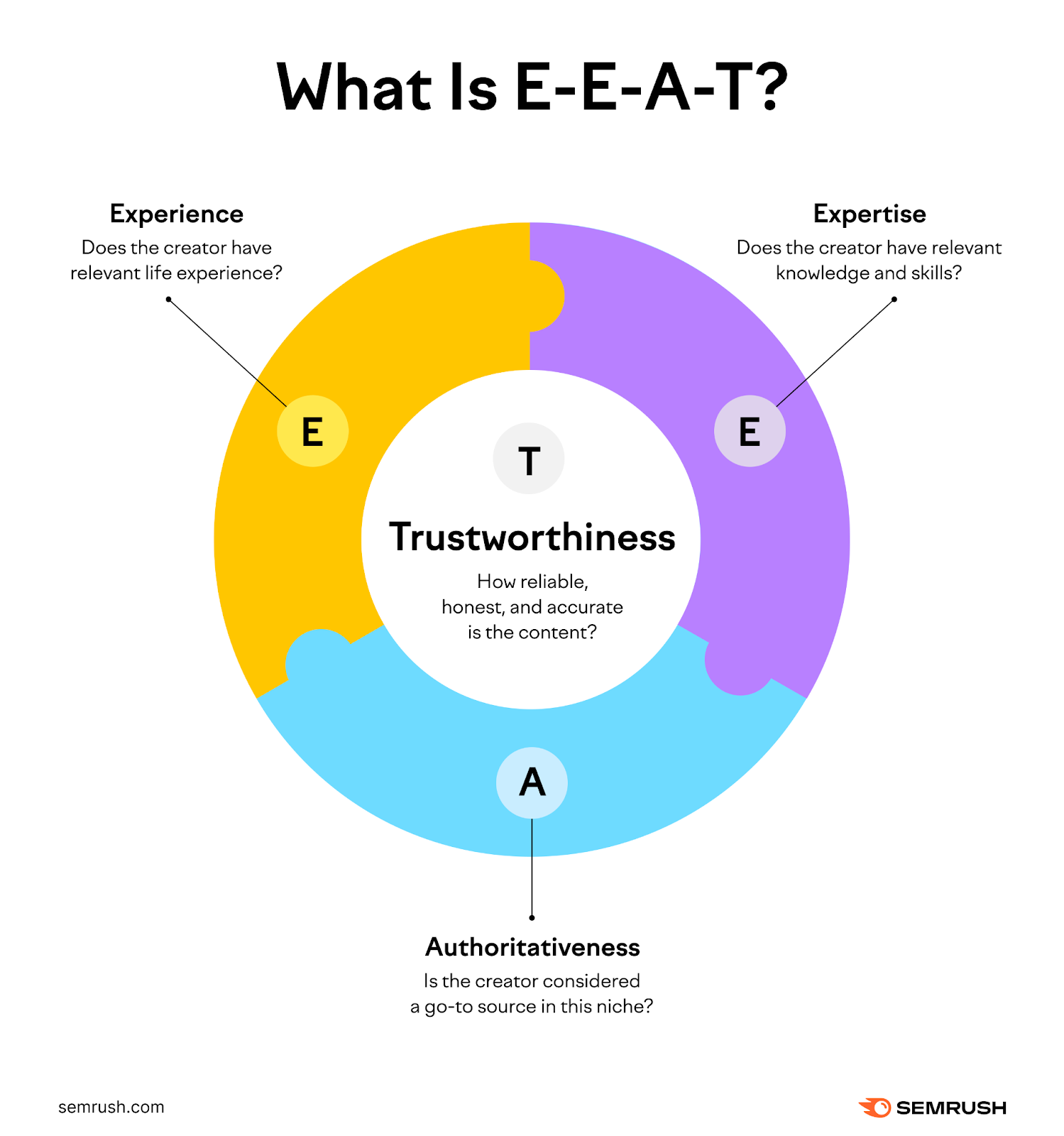
Image by Semrush
A Practical Approach to Capturing More Referral Cases
Improving referral conversion starts with removing friction, strengthening proof, and making contact simple.
Add clear call and scheduling options across your site. Reduce form fields to what is necessary. Review the mobile experience and eliminate anything that slows users down.
Next, refine how your firm presents its work. Build pages around specific legal issues. Include detailed explanations, examples, and direct answers to common questions. Help visitors move from general information to clear proof without confusion.
Over time, expand content that aligns with how prospects research. Focus on answering the exact questions they ask across search and AI tools. Structure that content so it can be easily found and understood.
Firms that take these steps see stronger results from the referrals they already receive. The opportunity is not new demand. It is better follow through after the introduction.
Turning Referral Interest Into Signed Cases
Referrals still carry strong intent, but they no longer close the gap on their own. The decision now depends on what prospects find during their research.
Every missed case points back to a moment where confidence dropped or progress stalled. Fixing those moments leads to measurable gains.
Through our AI marketing approach and platforms like Lawgic, we improve how your firm shows up when prospects validate referrals through search and AI tools. From content strategy to conversion improvements, we build systems that turn referral interest into signed cases.
Reach out today to see how we can help your firm capture more of the cases you are already earning.


