How AI Is Removing User Fatigue From Searching For Lawyers Online
Posted on Saturday, January 31st, 2026 at 12:21 am
AI Search Results Are Redefining How Law Firms Get Found Online
Search engines no longer function as simple, and often tedious lists of links. People researching legal issues don’t have to repeat the clicking, scrolling and reading across multiple websites to find validity in answers to legal situations they’re facing. They now receive direct answers at the top of the results page, often without clicking through to any website.
AI powered search tools are capable of reviewing multiple sources for the user and presenting a summarized response directly in search results. In many cases, the user quickly gets their answer and the search ends there. Any law firms that get referenced inside that tiny, quick response becomes the authority in that person’s mind by default.
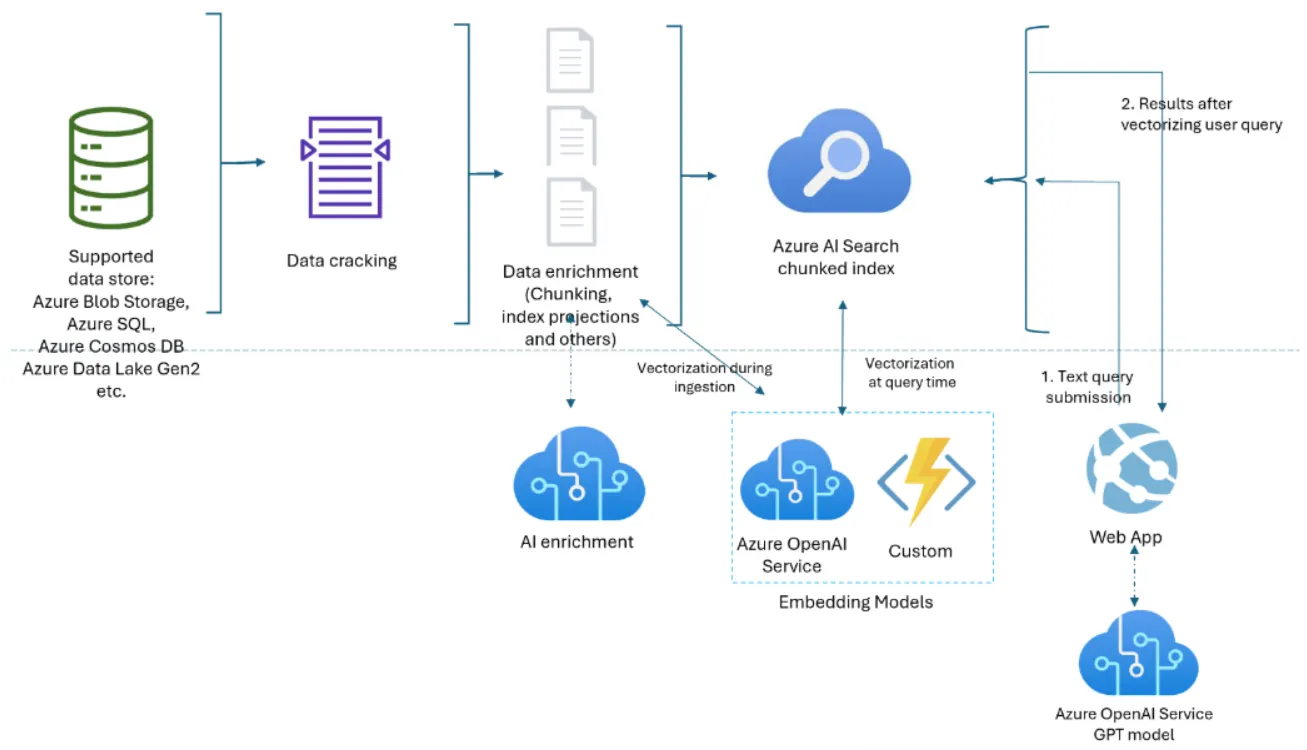
For law firms, this means modern day visibility now depends on whether your content can be pulled, understood, and trusted by AI systems. So how is it done? It’s a very complex and technical process, but the most important thing to understand is that the old method of finding information online is drastically changing with the help of this new technology.
How Law Firms Can Structure Their Content For AI To Use
Getting your website to be a part of this new process isn’t as complex as the diagram above. AI systems rely on content that is clearly organized and easy to extract. Headings, questions, and direct answers help systems identify what a page covers.
A proven framework many firms can adapt comes from the “They Ask You Answer” approach. Applied correctly, it means publishing pages that address real client concerns such as
- How legal fees work including contingency and hourly arrangements
- Common challenges clients face in specific case types
- Differences between settlement and trial outcomes
- Straightforward explanations of firm strengths and limitations
- Context around attorney experience within a local market
Each topic should be written as a clear question followed by a direct answer. Supporting details can come after, or saved for a consultation. Pages built this way function as reliable reference material for both AI systems and potential clients.
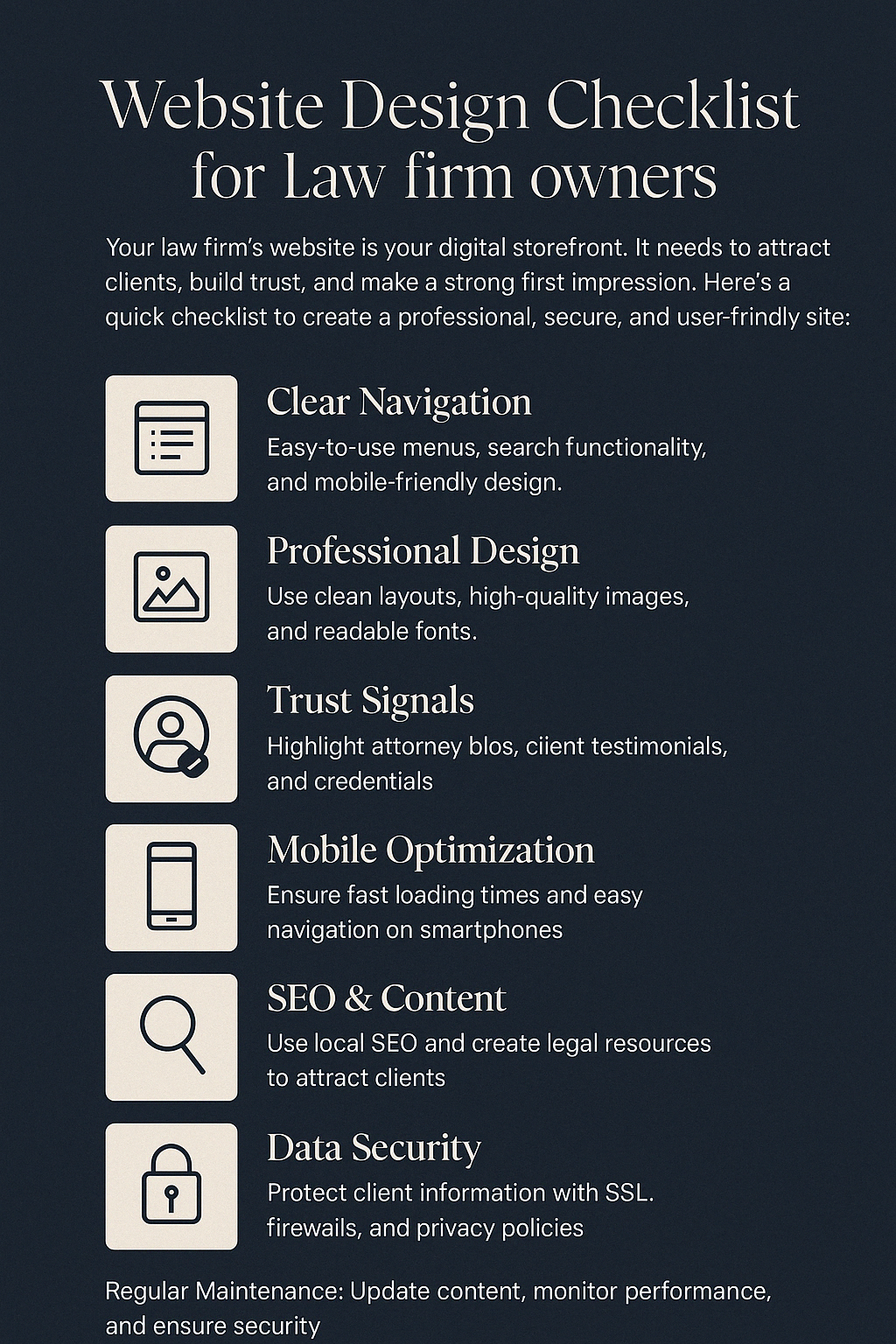
Image by Ambrose Marketing
Why Search Optimization Still Matters in an AI Driven Environment
AI search tools are trained using existing websites going all the way back to the early 2000’s, so they heavily depend on indexed and crawlable pages. The same technical search fundamentals law firms have used for decades still determine whether content can be accessed and used.
The difference is how that content gets consumed. Instead of driving every user directly to an attorney’s FAQ on one of their many webpages, AI may generate a plain English summary based on its knowledge that references your firm by name. That reference is brand exposure which often leads to a branded search later when they recall your name.
Firms that have and continue to publish clear answers to common legal questions are more likely to be included when AI systems generate those summaries. The more you do now to be a part of this preexisting knowledge that trains future AI’s, the more prepared you will be for the next stage of AI search.
What Happens After a Firm Appears in an AI Answer
People still don’t fully trust what AI says because of the tendency to hallucinate, or just make up false information. When AI generates a response that mentions a law firm, the next step is usually manual verification. Users look up the firm, review attorney profiles, and evaluate whether the website supports what the AI search bot generated.
At that point, consistency across your digital presence matters. Your webpages, directory bios, and social media profiles should reinforce the same information AI surfaced earlier. The experience should feel familiar and credible rather than disconnected.
AI is also starting to influence how prospects reach your intake through chat tools and guided forms. Sites built with clarity will make those advanced interactions smoother and more effective. We break down how AI powered browsers are affecting client intake workflows in more detail here.
Examples of Legal Content That Builds Trust Early
Legal resources that once required multiple clicks now appear at the start of the search process. Common examples that people regularly look for include
- Detailed case timeline explanations
- Clear breakdowns of what affects case value
- Frequently asked question libraries organized by issue
- Educational guides based on real client scenarios
These materials help establish authority early and support stronger decision making by potential clients. Every law firm should already be implementing this easy-to-create content on their websites to start showing up for local searches done on AI tools. At this point, attorneys who don’t have this as a part of their SEO strategy are seriously falling behind. However, it’s still a developing technology with many firms slow to adapt; so it’s not too late to catch up.


