People Are Trusting AI Overviews with Health Searches – What this means for lawyers
Posted on Wednesday, January 14th, 2026 at 8:22 pm
Trust in AI Overviews is unsteady
Earlier this month, The Guardian published an investigation examining how Google’s AI Overviews can surface misleading health information in search results. The reporting, led by health editor Andrew Gregory, highlighted cases where AI generated summaries presented advice that medical experts said was wrong or lacked proper context.
The placement of AI Overviews plays a major role in how this information is received. AI Overviews appear at the very top of search results, which gives them an immediate sense of authority. That position influences how users interpret the content before they see any traditional listings.
At the start of 2026, this reporting shines light on the question of trust surrounding professional services in health and law. Users often read the AI Overview first, then scroll to organic results to confirm what they read. That verification behavior benefits established sources, reinforcing why organic authority built over time is important for lawyers even as Google introduces new search technologies.
Misinformation in a Trusted Channel
The investigation focused on real searches where Google’s AI Overviews produced health guidance that conflicted with medical standards. In one example, an overview advised people with pancreatic cancer to avoid high fat foods, advice specialists said could weaken patients and reduce their ability to tolerate treatment. Other searches returned lab test ranges without meaningful context, which could cause people with serious liver conditions to believe their results were normal.
The reporting also showed how summaries about women’s cancer tests and mental health conditions sometimes pulled from mismatched sources or omitted key details. In several cases, the same search produced different answers at different times. That variability made it harder for users to understand which information could be trusted and why it was being presented.
These findings matter because AI Overviews compress complex subjects into a small block of text. When nuance is lost or sources are unclear, users are left to resolve the uncertainty on their own. That is where traditional organic results still play a decisive role, especially when the topic involves health, legal risk, or personal decisions.
Trust is being tested at the start of 2026
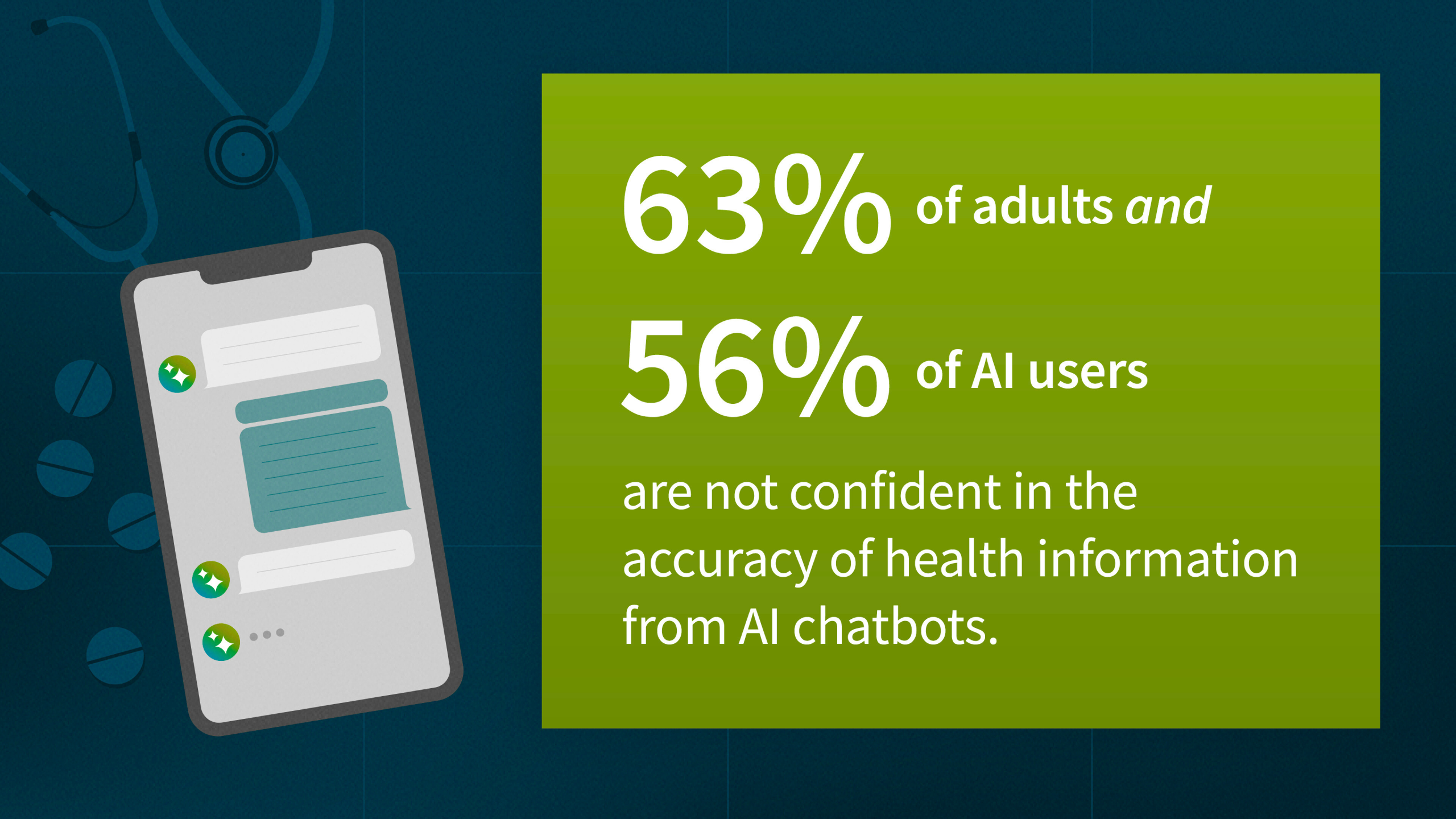
This all points to a broader issue that extends beyond health searches. Trust in AI generated answers depends on its consistency and clear sourcing. When users see summaries change between searches or conflict with established facts, confidence erodes quickly, especially in areas like health and law where accuracy carries real consequences.
Though people are increasingly trusting AI, their trust hasn’t transferred fully to AI summaries, even when they appear so prominently. Trust is earned over time through recognizable brands and content that users return to when they want reassurance. AI Overviews may influence attention, but organic authority still determines belief.
How to look more trustworthy
User behavior around AI Overviews has settled into a predictable pattern. People scan the summary at the top of the page, then move down the results to verify what they just read. This happens most often when the topic involves personal risk, money, or legal consequences.
That confirmation step is where trust is actually decided. Users tend to click sources they recognize or brands that feel established. Unknown sites or thin content rarely earn that second look, even if the AI Overview mentions them indirectly.
This behavior explains why traditional organic results still matter so much. AI Overviews influence the first impression, but organic visibility determines who gets the validating click. Firms that already hold strong positions benefit from this pattern, while those without authority are easy to skip past.
From the BBC
Why organic authority compounds over time
Organic authority builds through repeated exposure and earned trust. When users see the same brands appear consistently in search results, confidence grows naturally. That familiarity does not reset when Google’s SERP changes.
This is why firms with strong organic visibility are insulated from interface changes. Even when AI Overviews appear first, users need organic results to confirm what they read. Sites that have invested in quality content and long term visibility are the ones users choose when accuracy matters.
Over time, this creates a compounding effect. Each organic ranking reinforces trust, and that trust influences future behavior. While AI summaries may change in format or prominence, established organic authority continues to carry weight because it aligns with how users and AI decide who to trust.
What this means for law firm marketing today
This moment calls for restraint and focus. Chasing every new search feature or top level placement can distract from what actually drives trust. A combined approach is crucial.
For law firms, the priority is to build content that earns recognition over time and answers real questions without shortcuts. Firms that already hold credible organic positions are not losing ground. They are benefiting from organic listings any time trust in AI fades.
This is where strategy matters more than reaction. Short term tactics may come and go, but organic authority continues to pay off because it aligns with how people manually evaluate information when accuracy matters.
Staying ahead of lawyer AI marketing
This is what TSEG focuses on every day. We help law firms build authority that compounds over time through quality content and search visibility that aligns with current user behaviors. That foundation continues to perform even when Google experiments with new search features.
As AI driven summaries continue to mature, firms with strong SEO remain protected. We help your firm be trusted enough to click, read, and contact, regardless of how search results look next. Contact us today.


