Apple’s New Siri Raises the Stakes for Law Firm AI Search
Posted on Wednesday, June 17th, 2026 at 6:31 pm
Siri Moves From Simple Commands to AI Answers
Apple announced an entirely new Siri that was built in collaboration with Google. Apple’s latest AI update gives Siri a stronger role in how people ask questions and receive answers, much like Google AI Overviews.
That does not mean the Gemini app is replacing Siri. Apple is presenting the new system as an Apple experience supported by model infrastructure built with Google technology. The distinction matters for law firms because Siri is becoming a more capable answer tool inside the Apple ecosystem, not a Google search results page with a voice attached.
When someone asks a legal question by voice, Siri will be better equipped to summarize an answer without the need to open a browser. That puts even more pressure on the quality, clarity, and authority of the legal content AI systems can understand.
Siri Mentions And Google Rankings
The ultimate takeaway is that traditional rankings still matter. Strong SEO gives AI tools more reliable material to evaluate, and TSEG has already covered why law firm AI mentions continue to depend on solid search foundations.
The difference is where the first impression happens. A potential client may ask Siri whether they need a lawyer after a crash, what to do after a workplace injury, or how long they have to file a claim. If Siri returns a direct answer, the firms referenced in that answer may earn trust before the user compares websites.
This does not remove the value of ranking well. It adds another layer to the competition. Law firm content has to perform for search engines, AI systems, and people who want a fast answer on a phone.
Clear Legal Content Has a Better Chance of Being Used
AI assistants need content that is easy to interpret. Broad practice area pages with vague claims are less useful than pages that answer specific client questions. Trial law firms should explain legal topics with clear structure, plain language, and enough depth to show real knowledge.
A personal injury page that only says the firm fights for victims will not give an AI system much to work with. A stronger page explains what happens after a crash, how medical records affect a claim, what insurance companies may ask for, and when legal deadlines may apply. That kind of detail gives both users and AI systems a clearer reason to trust the page.
FAQ content also matters. Voice searches often sound like natural questions. Pages that reflect how clients actually ask about fees, timelines, evidence, and case value are more likely to match the way legal questions are spoken into Siri.
Reputation Proof Extends Beyond the Website
AI systems do not evaluate a law firm website in isolation. Reviews, legal directory profiles, media mentions, attorney bios, public case information, and consistent branding all help shape how credible a firm appears online.
This is where reputation and search strategy overlap. A firm that publishes strong content but has thin attorney profiles, inconsistent listings, or weak review activity gives AI systems less support. A firm with clear website content, active profiles, strong reviews, and trustworthy outside references creates a more complete picture.
For attorneys in highly competitive markets, that outside proof can matter as much as the words on the page. Siri and other AI tools are built to answer with confidence. Firms that give those systems clearer evidence of authority are better positioned to be included.
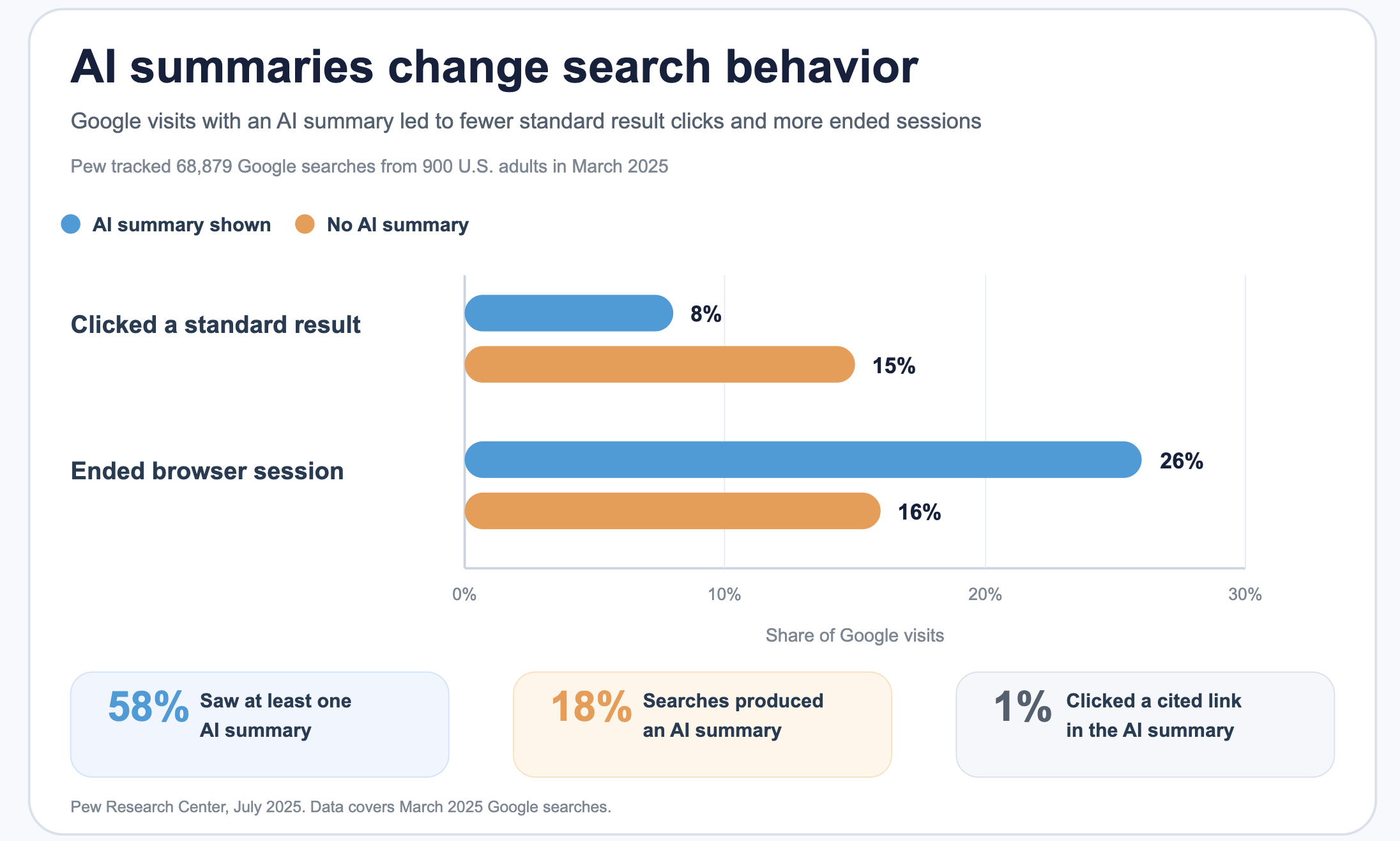
AI summaries are changing how people leave search results. Pew Research Center found that users clicked standard results in 8% of visits with an AI summary, compared with 15% without one, which makes strong law firm intake pages even more important.
Faster Answers Raise the Bar for Intake
As AI assistants reduce casual browsing, the people who do reach a law firm website may arrive with stronger intent. They may already have an answer to their first question. Their next concern is whether the firm looks credible enough to contact.
That makes the website experience more important. Pages need to load quickly, explain the next step, and make contact simple. Intake language should match the questions that brought the visitor there. If the site creates confusion after Siri provides a clean answer, the firm can lose the case before intake begins.
AI search is not only a content issue. It connects website structure, mobile performance, call handling, and follow through. The firms that win will be the ones that make the path from question to consultation feel clear.
Helping Law Firms Compete With Siri AI
Apple’s work with Google adds more urgency to a trend already affecting legal search. Clients are asking more questions through AI tools, and the answers they receive can shape which law firms they trust first.
At TSEG, we help law firms prepare for this change by building content, site structure, and search strategies that support both AI discovery and signed case growth. We help attorneys create clear legal resources, strengthen reputation proof, and improve the path from AI answer to qualified inquiry. As Siri becomes a bigger part of how clients search, we help law firms compete where those decisions begin.


