OpenAI Introduces Ads in ChatGPT: What It Means for Legal Marketing
Posted on Friday, January 23rd, 2026 at 9:21 pm
A New Revenue Stream is Coming to ChatGPT
OpenAI has confirmed it will begin showing ads inside ChatGPT responses for users on its Free and Go plans. Attorneys need to understand how subtle platform changes can significantly influence client behavior and advertising competition.
The ads will appear below ChatGPT’s generated response and will be clearly marked. They will not interfere with the response itself. OpenAI has stated that advertisers will not have access to user conversations, and the content of ChatGPT’s answers will not be influenced by paid placement. The response remains separate from the advertisement.
This is the first time OpenAI has formally opened ChatGPT to advertisers. They’ve invited major brands to test the new advertising platform with the requirement that they dedicate a $1M budget for testing. According to reporting from the Financial Times, the company expects to generate billions in ad revenue by 2026. That projection alone signals how seriously OpenAI views this channel. It should also get lawyers to recognize the potential this new paid channel could have in the future.
The ads are expected to resemble contextual recommendations rather than banners or popups. For users who turn to ChatGPT to research legal topics or explore professional services, this placement introduces a new point of influence. Law firms that are not thinking ahead about how AI-driven platforms intersect with marketing risk being absent from conversations where early decision-making now occurs.
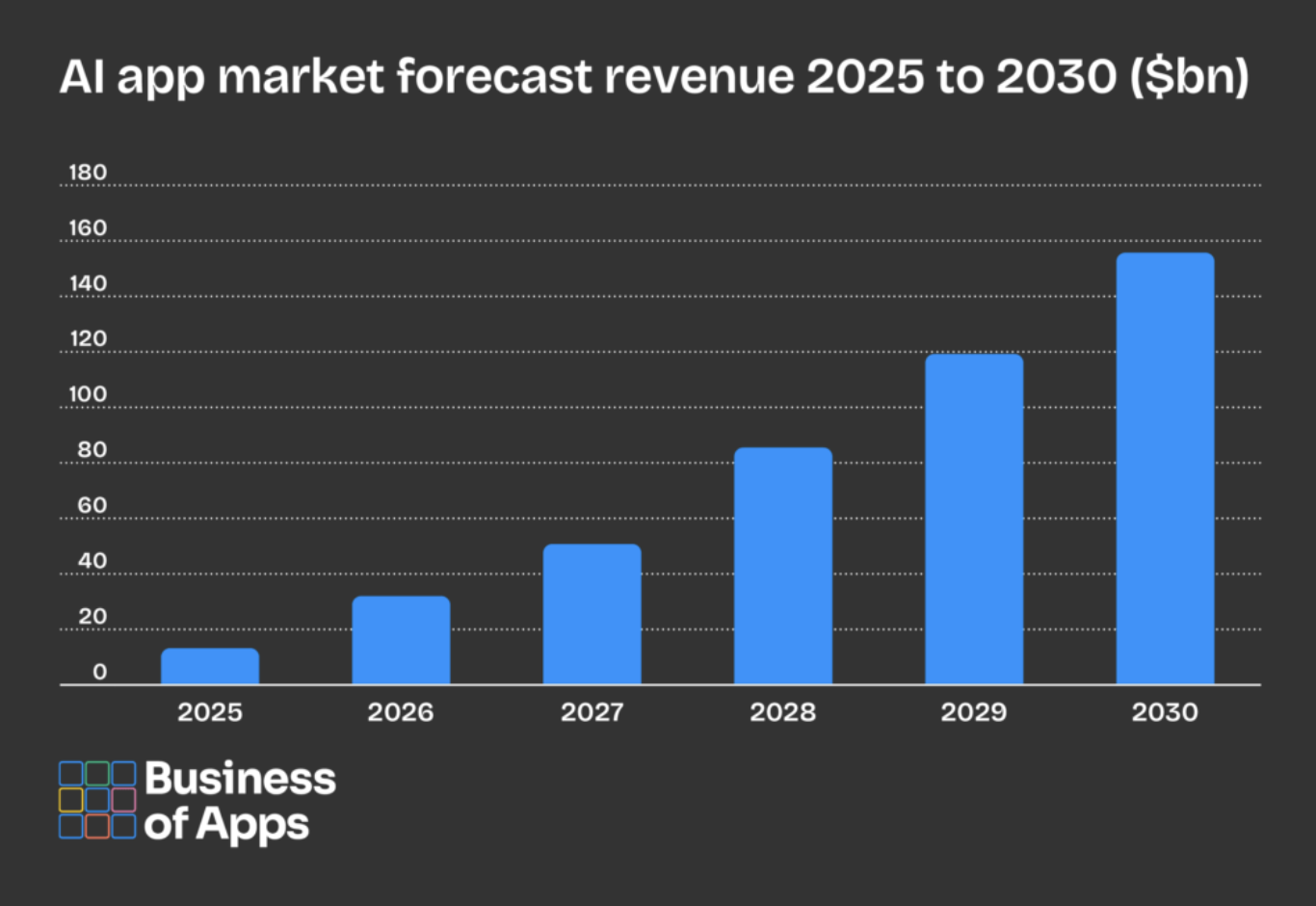
Graph by Business of Apps
What Kind of Ads Will Users See?
Most importantly: law firm and legal related chats will not show ads. OpenAI is primarily focusing on conversations about retail, travel, fashion, home, and lifestyle goods and services. The legal industry may get a chance at advertising on ChatGPT at some point in the future, or it may never happen since OpenAI is under scrutiny for offering misinformation around health and law related topics.
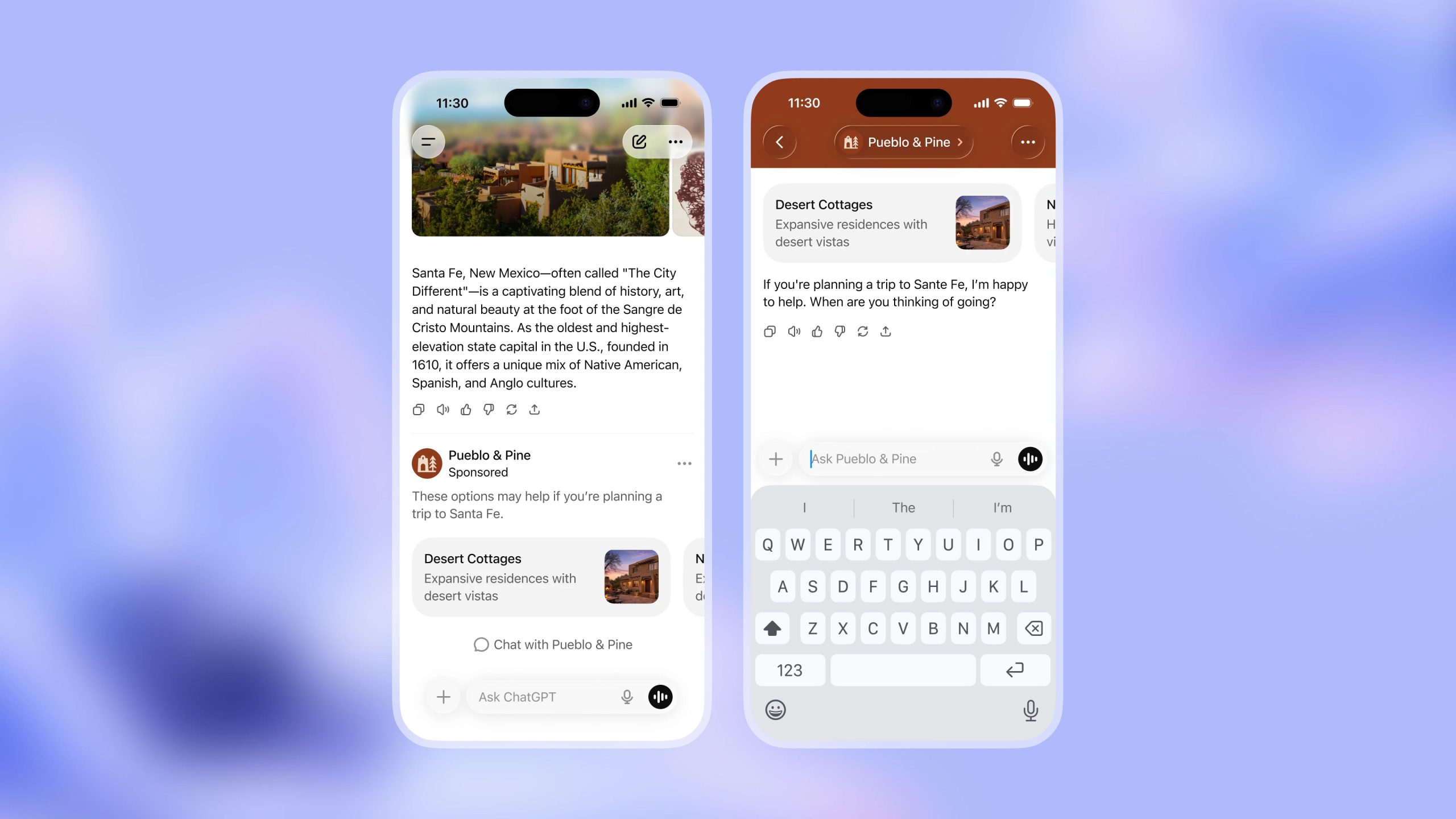
The ads appearing in ChatGPT will not resemble the ones users see on social media or within search results. Instead, they will be clearly labeled modules placed underneath ChatGPT’s responses. These ads are separated from the chatbot’s answer and will not influence or interrupt the content above them. OpenAI has stated that responses will remain independent from any advertising.
Some ads may allow for limited interaction. OpenAI previewed an example where users could ask follow-up questions directly within the ad to help make a purchasing decision. This type of feature points to a future where ads can be part of a conversation, rather than sitting passively on the screen. You can see that example here.
This kind of interaction points to a future where ads are not just visible but useful. For law firms, that could mean reaching a potential client in the moment they are asking the right questions.
This change will only affect users on the Free and Go tiers. Those on Pro, Business, and Enterprise plans will continue to see an ad-free interface. OpenAI is drawing a clear line between casual and professional usage, which will likely influence how advertisers approach different audiences.
How OpenAI Plans to Personalize Without Compromising Privacy
OpenAI has clarified that ads shown in ChatGPT will reflect the general context of a user’s conversation but will not grant advertisers access to any chat history. According to OpenAI, advertisers will not be able to see individual queries or chat transcripts. Instead, ads will be matched to broad themes in the conversation.
Importantly, this only applies to the Free and Go plans. Paid tiers, including Pro, Business, and Enterprise, will continue to operate without any advertising at all.
Still, the introduction of ads raises larger questions about how AI platforms will monetize attention and influence decision-making. If future updates expand the level of personalization, law firms may need to rethink how they approach ad visibility, especially in moments where AI is shaping the user’s path toward choosing a service provider.
Why This Matters for Legal Marketing
Search engines have long been the center of organic and paid case acquisition. Now, ChatGPT is the first AI chatbot to compete with Google’s PPC ads. Just like in traditional search, if an ad appears along with ChatGPT’s answer, it becomes an opportunity to convert a user to a paid client.
Legal research and attorney selection are happening in more places than ever before. If law firm ads make it to ChatGPT, this will introduce a new layer of competition for lawyers, one that will reward those who adapt quickly and think beyond search engines. Attorneys who take this seriously will be the ones reaching potential clients in the exact moment they are ready to act.
People are already using ChatGPT to research legal topics, compare options, and prepare for consultations. When a well-placed ad offers a relevant service during that moment of interest, it can draw attention away from firms that rely solely on traditional channels.
To see how recent ChatGPT updates have already begun pushing users toward law firm websites, read our breakdown here.
What It Means for Firms Ready to Compete in AI-Integrated Spaces
The arrival of ads in ChatGPT opens a new front in paid legal marketing. For law firms looking to stay ahead of the competition, this change confirms that generative AI may become a paid advertising channel. It is becoming a space where attention is sold, decisions are shaped, and legal services can be promoted or ignored depending on who shows up.
Firms with strong ad strategies and clear positioning will have the edge. Visibility in traditional search results remains important, but it is no longer the only place where prospects are making decisions. As attention shifts toward conversational platforms, legal marketers need to understand how placement works in these environments and how timing affects engagement.
TSEG works with law firms to stay ready for this kind of change. Our team tracks developments across platforms to anticipate how they affect client acquisition and ad performance. We build marketing strategies that adapt to new channels without losing focus on results. That includes making sure firms are seen in emerging spaces like ChatGPT, not just in search engines or on social media.
The technology will continue to evolve. What matters most is making sure your firm is positioned to be found when and where it counts. ChatGPT is now one of those places. Reach out to us today, we can help you get there.


