Optimizing Law Firms for AI and Algorithmic Recognition
Posted on Friday, December 19th, 2025 at 9:57 pm
Trust Drives Exposure
AI systems are increasingly becoming the gatekeepers of visibility. Platforms like Google’s Search Generative Experience and ChatGPT decide which firms appear and how they are described, pulling from sources they already recognize and trust. If your firm’s digital presence lacks clarity or consistency, your name may never even surface. Most legal websites are built for people, but machines process information differently. AI systems scan for structure and context. When key details are missing or disconnected, the system fills in the blanks; often with inaccurate or outdated information.
Content still needs to connect with potential clients, but visibility now depends on how well machines understand you. When your messaging is built to speak to both, you increase the chances of showing up when someone is actively searching for legal help.
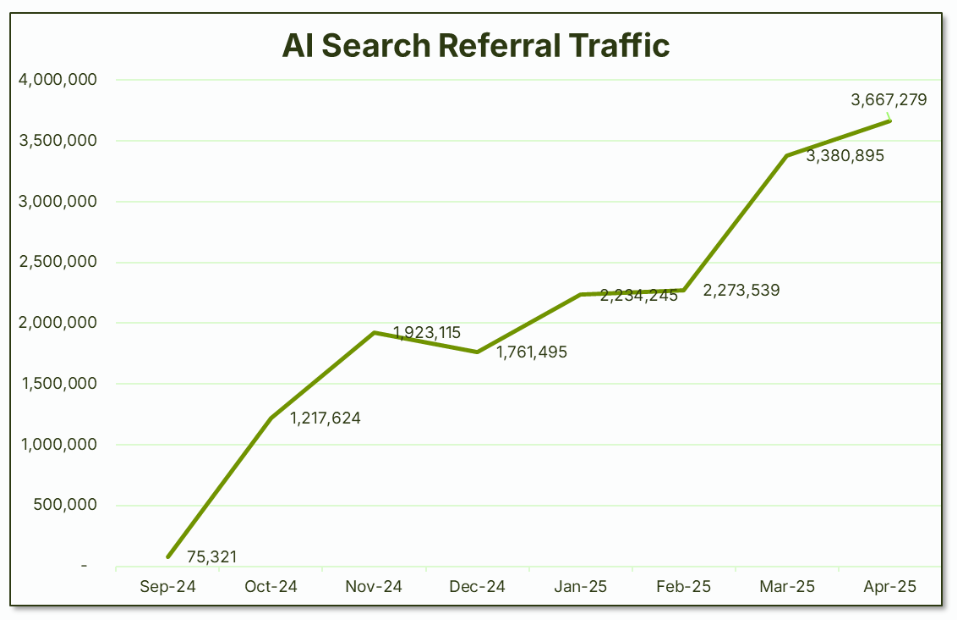 Source: Seoclarity.com
The Three Systems Behind Every AI Answer
There are three main systems present behind every AI answer. Each response is produced through the interaction of separate technologies, each handling a specific part of the process.
Search Index
LLMs scan and store web pages, supplying current information for AI tools to reference recent developments. For law firms, practice pages, blog posts, and news updates can affect how quickly the firm appears in AI responses.
Knowledge Graph
These assistive engines store verified facts about organizations and people, giving AI a clear understanding of a firm’s identity, including location, specialties, and attorneys. Accurate entries help AI accurately identify the firm.
Language Model
AI services generate written answers by combining data from the search index and knowledge graph, and presenting them in natural language. The clarity of responses depends on how well the firm is represented in both systems.
By maintaining fresh content and consistent information, law firms improve how often AI references them and how accurately they are described.
How AI Measures Credibility in Law Firms
AI systems evaluate more than web pages. They determine whether a law firm is recognized as credible and knowledgeable before selecting which content to display. The assessment focuses on the firm as an organization rather than on individual posts.
The identity of a firm is established through consistent signals such as attorney profiles and location details. Verified data helps the system reference the firm correctly. Reliability is measured using citations and third-party mentions. Firms with strong trust indicators appear more often in AI responses even when content volume is limited.
Google and other search platforms consider expertise, experience, authoritativeness, and trustworthiness, known as EEAT, when deciding to push a particular page. These signals develop through consistent publishing and alignment across trusted sources. When a firm’s information is outdated or unclear, AI systems are less likely to treat it as reliable.
Content quality alone does not guarantee visibility. Articles can be overlooked if identity or credentials are unclear. Ensuring each page and profile reinforces the firm’s expertise increases the likelihood of accurate references in AI-generated answers.
How Bots Decide What Gets Remembered
Before content appears in a response, it must pass a silent vetting process by machines. They follow a structured process to decide which organizations and pages appear in answers. Understanding this process helps law firms guide how they are represented.
Bots first discover and select web pages. Discovery locates content across the internet, while selection identifies pages relevant enough to analyze. Once a page is chosen, the system crawls and renders it to view it like a human would. Key information is then extracted and stored for later use.
After extraction, content is indexed and annotated. Indexing organizes information for easy retrieval, while annotation adds signals of identity and trust. Firms that ensure pages are clear, structured, and supported by reliable references improve the chances of accurate recognition and inclusion in AI responses.
TSEG Helps Brands Earn Algorithmic Trust
Visibility in AI-generated answers depends on more than content. Law firms need consistent identity signals and structured information across their digital presence. TSEG helps ensure these elements work together so firms are recognized and included by AI systems.
Our approach addresses every stage of how AI reads and remembers information. We make pages easy for bots to access and structure content so key details are clear. We also reinforce credibility through verified citations and accurate profiles. This ensures that both the content and the firm’s identity are understood and trusted.
Firms that maintain clear content and accurate identity signals are more likely to appear in AI answers. TSEG connects these pieces so marketing efforts focus on recognition rather than only clicks. This leads to stronger visibility across search and AI-driven platforms.
By treating AI systems as active participants in discovery, law firms can build a reliable reputation and maintain presence as technology shapes how clients find legal expertise. TSEG guides firms through this process to help them be accurately represented where it matters most. Contact us today.


