What Enterprise SEO Trends Reveal About Law Firm SEO in 2026
Posted on Wednesday, January 7th, 2026 at 11:13 pm

Why Enterprise SEO and Law Firm SEO Are Now the Same Conversation
The distinction between enterprise SEO and law firm SEO has largely disappeared. The way that massive Fortune 500 brands with websites of 1,000,000+ pages stay visible online is almost identical for law firms competing in crowded legal markets. AI summaries, answer engines, and multi platform discovery apply the same standards regardless of industry or size.
Google still controls roughly 90% of traditional search traffic, but AI discovery tools such as ChatGPT and Perplexity are actively reshaping how users find and trust information on the internet.
Competition for law firms has expanded beyond other firms in local search results. They’re now directly evaluated alongside national brands, publishers, and large scale advertisers inside AI driven responses. This means the enterprise SEO playbook now also applies to legal marketing.
5 enterprise SEO trends that already define how successful law firm SEO works in 2026.
1. Technical SEO Is the Price of Entry for Visibility Everywhere
Enterprise brands learned long ago that technical SEO determines whether their content is accessible in the first place. AI agents now account for approximately 33% of organic search activity, and that share continues to grow. These systems and modern search engines cannot interpret content they cannot reliably crawl, load, and structure.
Law firms face the same gatekeeping today. Site speed, clean architecture, internal linking, and structured data directly affect whether pages are considered for AI summaries, local results, and traditional rankings. Firms running outdated templates or carrying unresolved technical debt are filtered out before content quality is even evaluated.
Enterprise level technical discipline is no longer optional for law firms that want consistent online visibility.
2. Content Quality Decides Whether You Are Cited
Although enterprise SEO teams work on some of the largest websites ever, they’re starting to focus more on quality over volume. Because AI systems are expected to pull website information instantly, they only reference sites that offer clear definitions, verified expertise, and unique insight – not the sites that have the most pages.
Over the past few years, we’ve explained on this blog how law firm content is judged by the same standard. Practice area pages, FAQs, and educational resources must show real legal understanding, attorney oversight, and jurisdictional clarity. Pages written to fill space simply do not get cited. Pages written to explain, define, and guide regularly do.
Law firms should beware of tunnel vision around rankings and instead write higher quality content to be cited by AI tools across the board.
3. Measurement Moves From Rankings to Representation
Enterprise brands are changing how they measure success. Rankings do still matter, but they no longer tell the full story. What matters more is how a brand appears inside AI answers and whether it is described accurately.
Law firms now face that same challenge. A firm may appear in an AI response but if they are not up to date with their foundational SEO, they could be cited with outdated locations, incorrect practice areas, or even the wrong brand. Visibility without accuracy can lose new business, create intake confusion and compliance risk.
Modern legal SEO measurement focuses on presence, accuracy, and context. The goal is not only to appear but to be represented correctly wherever potential clients encounter the firm.
4. Off Site Authority Shapes On Site Visibility
SEO for enterprise brands has long relied on third party validation via public relations campaigns. Approximately 95% of AI citations originate from PR driven coverage. Media coverage, reviews, and reputable mentions shape how search systems understand a brand.
Law firms now operate under that same model. Legal directories, earned media, peer reviews, client reviews, and authoritative citations all influence how AI systems interpret trust and relevance. Strong off site signals reinforce on site efforts and increase the likelihood of being referenced in AI driven answers.
SEO, reputation, and brand authority are no longer separate initiatives. They function as one system.
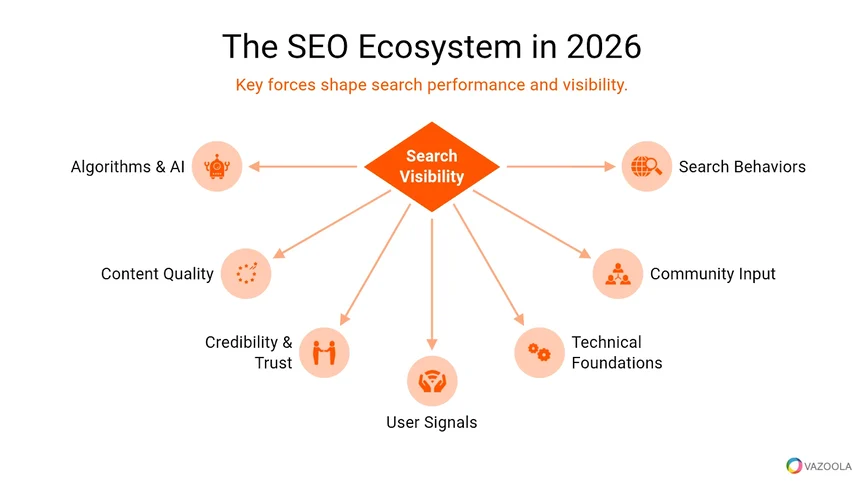
Infographic by Vazoola
5. Automation Is Required to Compete at Scale
Enterprise organizations depend on automation to maintain consistency across large websites, monitor performance, and respond quickly to issues.
Law firms now face similar operational demands. Multi location practices, firms advertising across jurisdictions, and firms competing in mass tort or high volume practice areas cannot manually track AI visibility, site health, and content performance at scale.
AI automation supports monitoring, reporting, and execution speed. Strategy, quality control, and legal judgment remain human led. The structure mirrors how enterprise brands operate today.
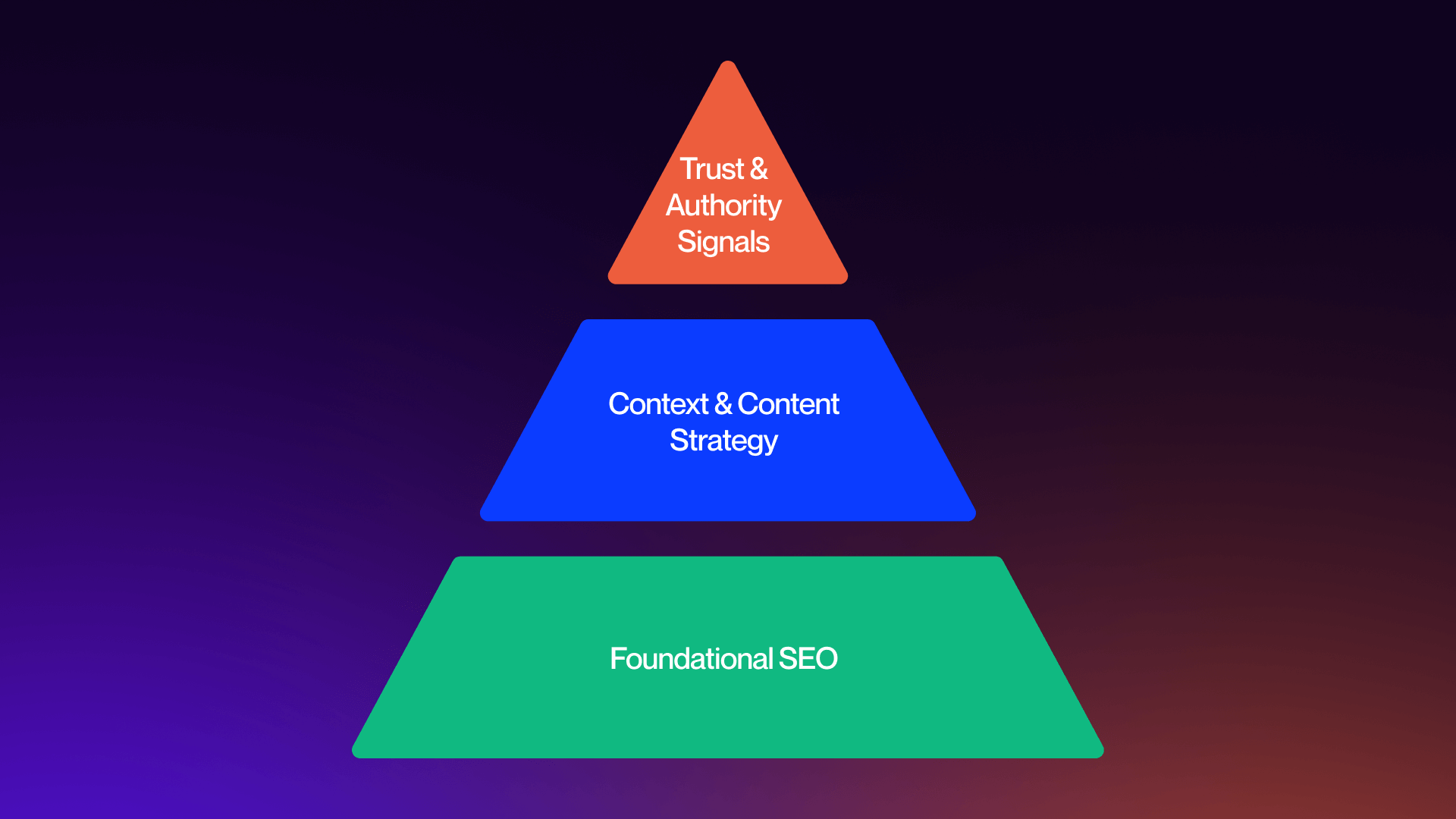
Chart by Veza
Law Firm SEO Has Entered the Enterprise Era
The reality for 2026: Law firms are being evaluated by the same systems that assess enterprise brands. Firms that adopt enterprise level discipline earlier gain a durable advantage in visibility, trust, and intake performance.
This is the environment TSEG has been preparing firms for. Our services, assisted by AI with TSEG Lawgic, already align technical SEO, content quality, authority building, and automation into a single system designed specifically for legal marketing. The playbook has not changed. The audience applying it has.
Law firms that treat SEO as a core business function rather than a marketing add on will be the ones that win visibility across search results, AI summaries, and every channel clients use to make decisions. Reach out today if you want to start seeing a difference in your SEO.


