Google May 2026 Core Update Reshapes Search Results for Law Firms
Posted on Thursday, May 28th, 2026 at 5:43 pm
Ranking Volatility Surrounding Content Quality
Google rolled out its May 2026 core update with noticeable ranking movement across several industries, including legal search. Early tracking data showed abrupt position changes tied to valuable keywords connected to personal injury, mass torts, and medical malpractice.
Big updates like these can have temporary rankings adjustments before they stabilize as the update finishes rolling out. Early activity shows that some firms have gained stronger placement in competitive markets while others lost ground on pages that had remained stable for months. The update points to a recalculation in how Google evaluates authority and relevance within legal websites.
Practice area pages appear to be receiving closer scrutiny. Pages built around broad descriptions or reused copy are losing momentum more often.
By comparison, pages with detailed legal analysis and state specific guidance are performing more consistently. The divide between generic writing and content backed by legal knowledge has become more noticeable. These content trends are not new and shouldn’t surprise subscribers. We have been covering tips to prepare for several months on our blog.
Deeper Legal Insight Carries More Influence
SEO tracking platforms reported elevated volatility throughout the rollout, which Google also acknowledged in a recent LinkedIn announcement.
Some websites that previously declined in search results experienced partial recovery. Others that expanded content aggressively by leaning into volume over substance saw declines across important pages. This points to a reassessment of originality, depth, and attorney involvement.
Legal websites with obvious attorney input appear to benefit most from the update. Content grounded in courtroom experience, procedural understanding, and regional legal considerations is outperforming broad legal summaries.
Pages that resemble templates or depend heavily on automated drafting without careful review are struggling to maintain strong placement. The update rewards legal analysis supported by firsthand experience and meaningful review.
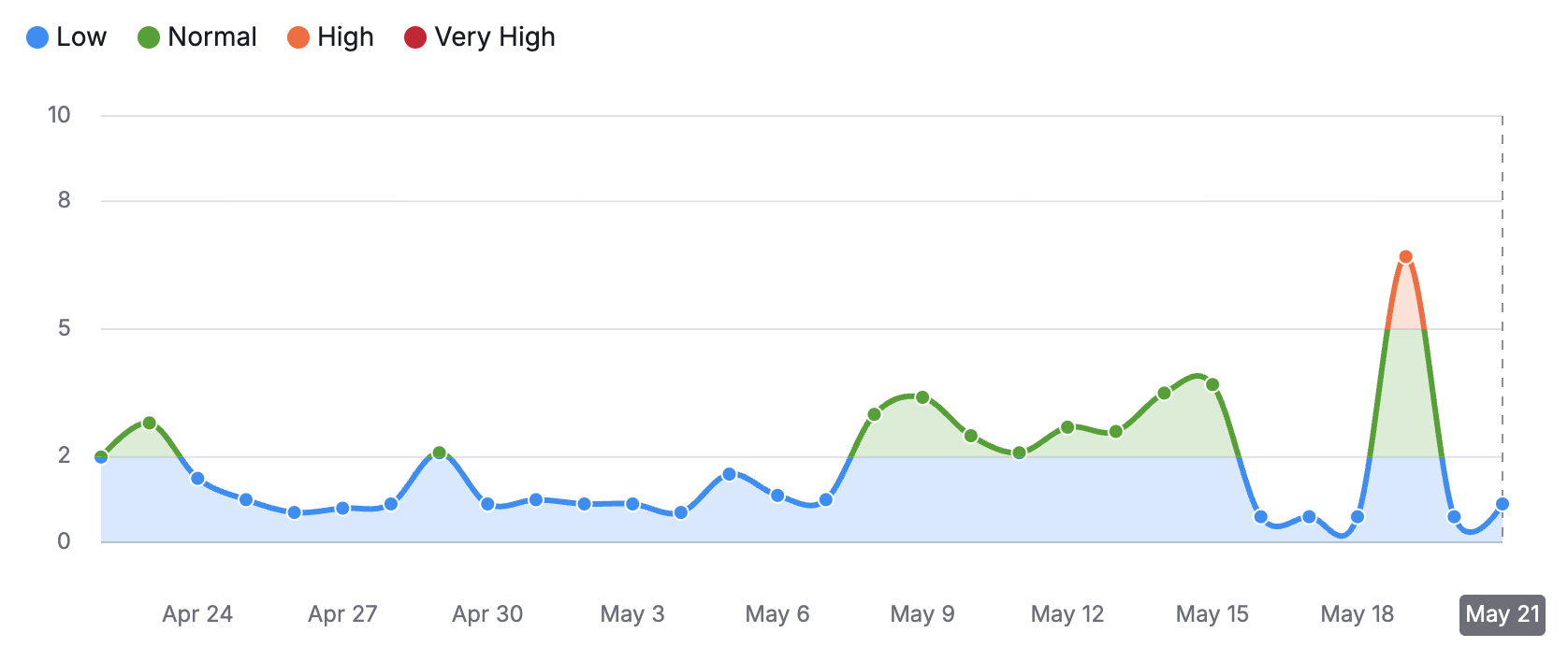
Image from Semrush shows elevated search volatility during the May 2026 core update rollout.
Faster Ranking Turnover
As with all major algorithm updates, expect to see a ton of changes with SERPs that could last a few weeks. Search queries tied to major case categories are experiencing sharper fluctuations than informational searches with lower competition. Terms such as truck accident lawyer and birth injury attorney have seen frequent movement in top search positions.
These changes can affect intake volume within a short period of time. Movement near the top of search results can redirect significant numbers of potential clients within days.
Even a modest drop in rankings can reduce exposure enough to affect consultations and signed cases. Firms with stronger topical coverage and supporting practice area content are better protected from sudden losses in placement.
Firms that rely too heavily on a limited group of competitive search terms face greater risk during algorithm updates.
Local Search Performance Supports Stability
Organic ranking declines often influence local search engagement as well. When a firm loses placement in traditional search results, branded searches and profile activity may decline alongside it.
Lower engagement can reduce calls, map interactions, and direction requests connected to Google Business Profiles.
A properly maintained local presence can help preserve lead flow during periods of instability. Recent reviews, accurate business categories, and updated contact information help maintain profile activity.
Alignment between website content and local SEO efforts also supports stronger overall performance. Law firms that align local optimization with website SEO efforts often maintain steadier performance during major updates.
Recovering Lost Rankings Requires Focused Improvements
Pages that declined after the update often share several weaknesses including thin copy, weak differentiation, and limited attorney attribution.
Improving those pages requires more than adding extra text or repeating keywords. Effective revisions should make legal information more useful, more specific, and easier for potential clients to understand.
Attorney commentary, case references, and location relevant explanations can improve overall page quality. Internal linking should also be reviewed to strengthen priority pages across the site.
Every revision should support a clear user intent rather than serving as a broad attempt to increase page count. Careful page refinement is producing better results than aggressive content expansion under current ranking conditions.
What Law Firms Should Watch After the May 2026 Update
The May 2026 core update reinforces Google’s continued emphasis on expertise and usefulness within legal content. Many of the patterns emerging from the May 2026 update build on trends that appeared after the March 2026 rollout.
Long term improvements should focus on accuracy, attorney input, and meaningful legal analysis. Patterns across affected pages will help identify where adjustments are needed most.
We work directly with trial attorneys to identify ranking declines and rebuild search performance with content based on actual case experience and regional legal understanding.
Our team focuses on strategies that improve both online exposure and client acquisition through accurate, high quality legal content. This update reinforces the value of that approach.
Law firms that invest in better legal content and stronger authorship signals will be better prepared for future changes in search rankings. Contact us today to learn how we can help strengthen your search visibility and improve long term lead generation results.


