Why AI Content Fails in Law Firm Marketing and How Firms Can Improve Results
Posted on Friday, May 22nd, 2026 at 10:30 am

What Works Now May Have Penalties Later
AI content tools help law firms reduce production time and costs. Many legal marketing teams responded by publishing record-breaking volumes of content with the expectation that higher output would generate more leads. Early ranking improvements made the approach appear successful, but over time, engagement and conversions fail to improve at the same pace.
Of course, legal marketing carries higher expectations than most industries. The efficiency of AI generated content shouldn’t blind attorneys from the fact that every article must reflect accuracy, jurisdiction awareness, and professional judgment.
Pages that sound polished but lack substance can damage a firm’s reputation with prospective clients. See how we break down these possible risks to your firm below.
Not All Traffic Brings Good Cases
Top level fluff metrics like traffic and clicks can hide larger concerns. A page may attract visitors while failing to keep them engaged for more than 3 seconds or move them toward a consultation.
A general rule of thumb is that high bounce rates and low conversions often connect back to content that does not address real client concerns.
Recent discussions around GEO focused search visibility have also raised concerns about traffic quality, especially when content is created to maximize reach without addressing the actual needs of prospective clients. Remember that a large portion of internet traffic is made up of bots who will never convert on your website.
People searching for legal help are often dealing with stressful situations and urgent decisions. They want clear answers from a real human and proof that the firm understands their situation.
Generic, “made for seo” articles rarely create confidence or encourage contact. They merely get ranked highly without the conversions to justify it. Without substance and clarity, traffic does not translate into signed cases. And Google is working update after update to remove more of these low quality pages from search.
How Search Engines Judge Content Quality
Search engines now place greater weight on originality, depth, and demonstrated experience. Content that repeats common information or lacks firsthand insight struggles to maintain strong rankings. Google reinforced this approach in its March 2024 core update, which targeted low quality scaled content and pages created primarily to manipulate search rankings. Low effort publishing patterns are easier to identify and often lose placement over time.
Law firms that publish detailed content supported by real experience hold a stronger position. Articles that reference actual case scenarios, practical guidance, and jurisdiction specific information provide stronger value for readers. This type of material aligns more closely with how search platforms evaluate credibility.
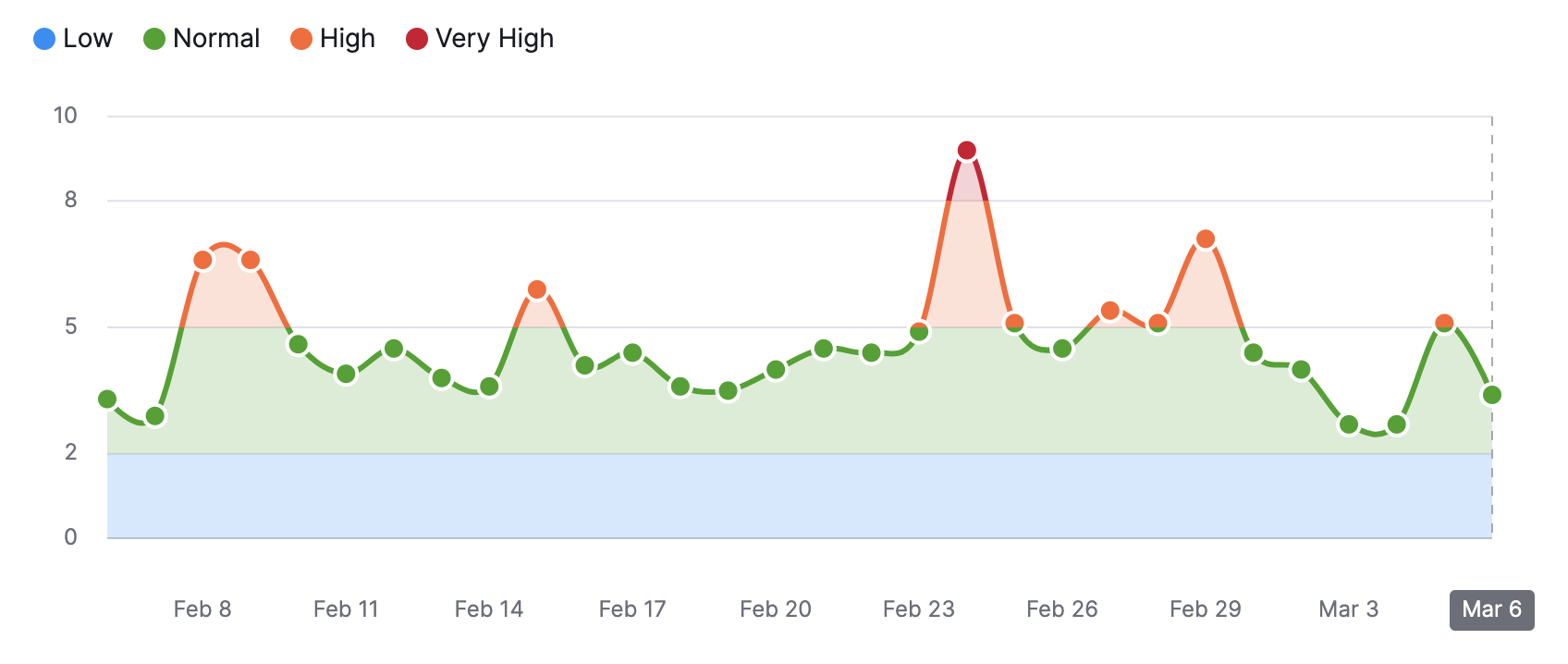
Image by Semrush shows fluctuations in search visibility during the March 2024 Google core update, including periods of elevated ranking volatility tied to changes in content quality evaluation.
Using AI Without Compromising Legal Standards
AI performs best when used within a structured editorial process. It can assist with research, help organize outlines, and accelerate early drafts.
The final version should always be reviewed by someone who understands the legal subject matter and the concerns of potential clients.
A disciplined workflow allows firms to increase production while maintaining quality. Attorney review adds context, accuracy, and perspective that automated systems cannot provide.
Careful editing and legal oversight turn rough drafts into material that supports client acquisition. Firms that depend too heavily on automation often face the same credibility concerns associated with AI generated legal content and client trust.
Building a System That Produces Clients, Not Just Pages
Effective legal content focuses on specific client situations. It should answer detailed questions, explain possible next steps, and make it easy for readers to contact the firm.
Strong content strategies connect publishing efforts directly to signed cases instead of treating content as a volume exercise.
At TSEG, we work with law firms to turn AI supported content into a dependable marketing system. We focus on producing material grounded in real legal knowledge while maintaining efficient production standards.
Our team builds strategies that connect search performance with signed cases so firms can generate measurable business growth from their content efforts.
Contact us today to learn how TSEG can help your law firm build content that attracts qualified leads, strengthens credibility, and supports long term revenue growth.


