Google June 2026 Spam Update Creates New SEO Pressure for Law Firms Using Thin Pages and Weak Links
Posted on Wednesday, July 1st, 2026 at 9:27 pm
A Brief Rollout With Real SEO Risk
Google has completed its June 2026 spam update. Spam updates are designed to improve how Google detects tactics that violate its search quality policies, including pages built mainly to capture rankings rather than help readers.
For attorneys, the risk is not limited to obvious spam. A site can lose ground when location pages, practice area pages, or blog content begin to look too similar across large sections of the website. The update gives marketing teams a reason to review whether each page provides useful legal information that a prospective client could not find on dozens of competing firm sites.
Thin Legal Pages Are More Exposed
Law firm SEO has often relied on large sets of pages aimed at specific cities, injuries, case types, or legal questions. That approach can still work when every page has a clear purpose and original value. Problems begin when pages repeat the same structure, swap in a city name, and offer little insight tied to local courts, state law, attorney experience, or client concerns.
A personal injury firm with separate pages for nearby cities should not treat each page as a template. Each one should explain practical details that matter in that market, such as court locations, filing considerations, local traffic patterns, common accident types, or examples of how the firm handles cases in that area. Without that level of detail, scaled content can look more like search targeting than legal guidance.
Link Quality Deserves a Fresh Review
The update also raises the importance of reviewing backlink sources. Legal marketing campaigns still use paid placements, weak directories, private blog networks, and article sites that exist mainly to pass ranking value. These links may not always cause an obvious manual action, but they can lose impact when Google improves its spam detection.
Law firms should examine which links are supporting their rankings and which ones add little trust. A mention from a respected legal publication, local news outlet, bar association, university, community group, or legitimate business partner is far more valuable than a link placed on a site with no real audience. The goal should be earning references that make sense outside of SEO.
Content Needs Attorney Input
Google’s June 2026 spam update reinforces the need for legal content that shows real knowledge. Basic articles about common topics are no longer enough when many firms publish nearly identical explanations. Pages should answer the specific questions clients ask during consultations and reflect how attorneys think about actual cases.
Strong content can include state specific legal standards, filing deadlines, examples of evidence that matters, common mistakes clients make, and clear explanations of how a case may move from intake to resolution. Attorney review also matters. When a page lists a qualified author, explains the attorney’s background, and provides accurate legal context, it gives readers a stronger reason to trust the firm.
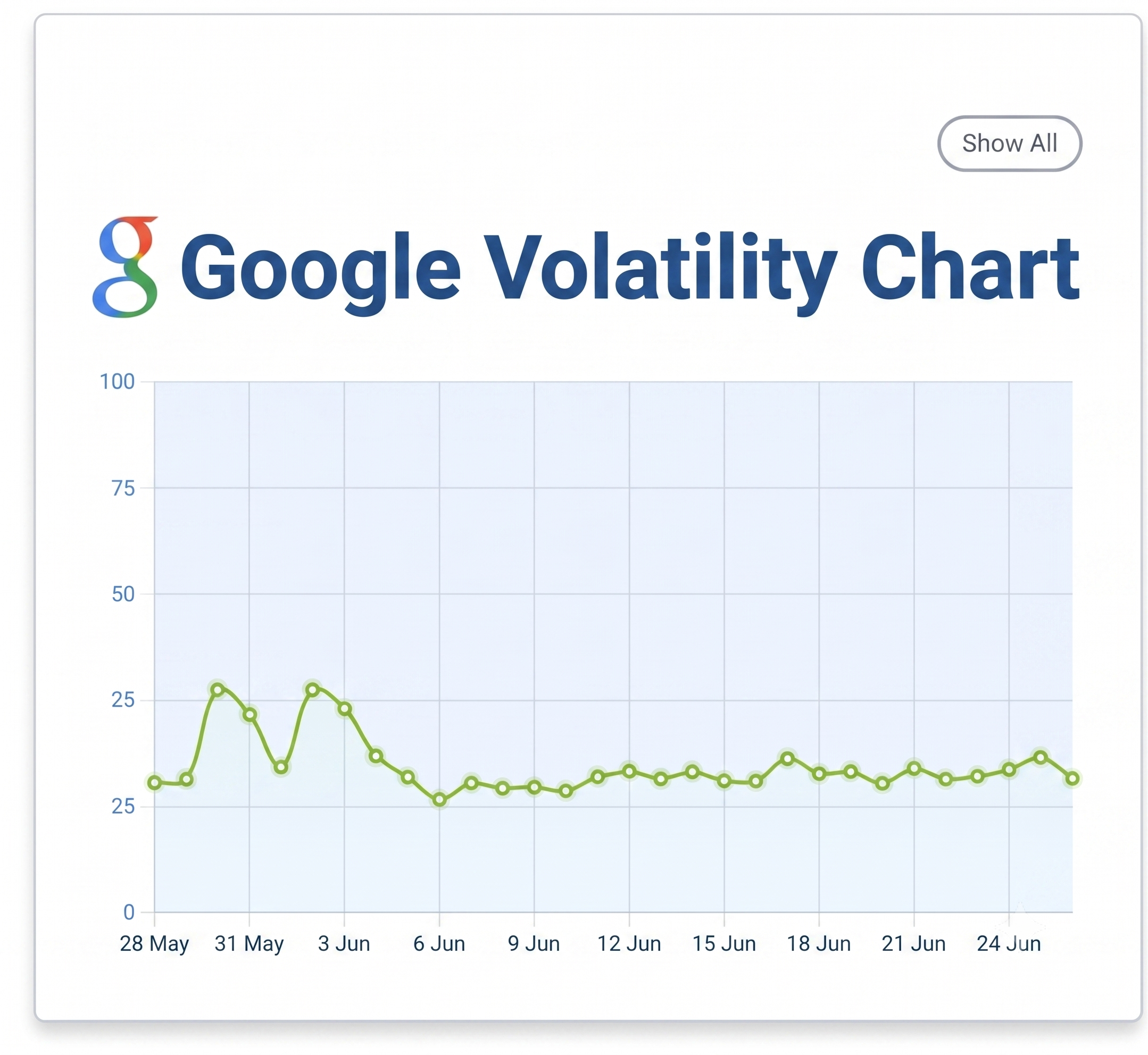
A look at Google’s search index volatility and algorithm stability over a 30-day period.
What Marketing Teams Should Review First
As with most spam updates, Marketing teams should begin with pages that have weak traffic, falling rankings, or high overlap with other pages on the site. City pages, practice area variations, and older blog posts are often the best place to start. Pages that repeat the same claims should be combined, rewritten, or removed when they no longer serve a clear purpose.
Search Console data can help identify where rankings started to soften after the rollout. Backlink tools can show whether recent link growth came from reputable sources or from low value placements.
The review should focus on practical questions:
“Does this page help a client understand a legal issue more clearly?”
“Does it reflect the firm’s actual experience?”
“Would the page still deserve to exist without search traffic?”
A Better Path for Law Firm SEO
The June 2026 spam update is another reminder that shortcuts are becoming harder to defend. Law firms that rely on copied page formats, shallow location content, and weak link campaigns may continue to see unstable results. Firms that invest in original legal guidance, attorney involvement, and credible mentions are in a stronger position to maintain search performance.
At TSEG, we help law firms find the pages and links most likely to create risk after updates like this one. We review content quality, identify overlap across practice area and location pages, and help build SEO strategies grounded in real attorney knowledge. When a firm sees unexplained ranking drops or stalled growth, we can help uncover the cause and rebuild the site around work that holds up over time.


